The Queen’s publication, The Journal, ran a story on the Human Media Lab. Read the whole story here!
Telecommunications Lab in the News
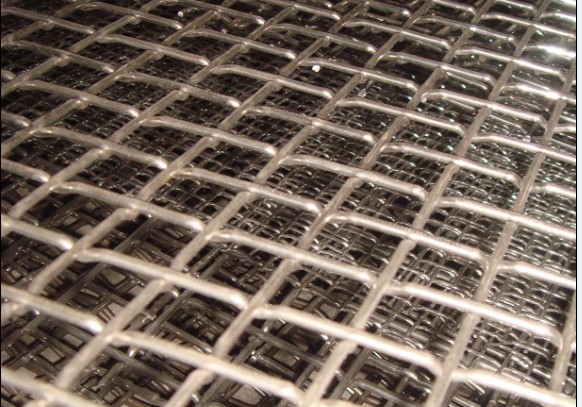 The Queen’s School of Computing Telecommunications Research Laboratory (Dr. Hossam Hassanein, Director) was featured in the Edmonton Journal on May 22. The article describes how members of the lab have implemented a network of sensors and smartphones to monitor Syncrude Canada’s tungsten-topped vibrating screens.
TeleHuman Featured on Thrash Lab
Roel Vertegaal and his team at the Human Media Lab have been featured on Thrash Lab.com, which is part of actor Ashton Kutcher’s YouTube channel. Roel talks about the pioneering work of the Human Media Lab and, in particular, the the TeleHuman videoconferencing technology.
Catch the whole story on Thrash Lab here!
Preparing for a Cyberstorm – David Skillicorn Weighs in
 Security experts prepare for an inevitable cyber storm and the School of Computing’s David Skillicorn shares his expertise. This story is featured in the Vancouver Sun, Vancouver Province, Calgary Herald, Edmonton Journal, Ottawa Citizen, Montreal Gazette and several other Postmedia newspapers.
Click here to read the story and David’s comments in the Ottawa Citizen.
Biomedical Computing Discovery Day 2012
Tamas Ungi, Jennifer Andrea, and Eric Moult of the Queen’s School of Computing Perk Lab (Gabor Fichtinger, Director) held a workshop at an event organized by Health Sciences on the occasion of Discovery Day 2012 held at Queen’s University on Wednesday May 16.
Here is how Professor Ken Rose, Associate Dean, Faculty of Health Sciences, described the event:
Like last year, I was the beneficiary of numerous compliments from students and especially the teachers and parents who came to Queen’s University on Wednesday. To say that you impressed those who attended Discovery Day 2012 is a gross understatement. Janet Tufts, the Executive Director of the Canadian Medical Hall of Fame and Trish Grover who is the Coordinator of Discovery Day events (there are 12!) across Canada made the following statement to Katherine Rudder and I before they left on Wednesday afternoon: ‘This is THE best Discovery Day in the country’. When I questioned Janet that she must say this to all of the organizers, she responded with: ‘no, Discovery Day at Queen’s University is THE BEST Discovery Day in the country’. She really means it!
I sincerely wish that you had been present when Janet said these words. I sincerely wish you had been able to shake the hands of teachers who wished to offer their thanks for a great day. I sincerely wish that you had been present when I spoke to many students who enthusiastically described the workshop that one of you had just presented. I also wish that I could express my appreciation more eloquently than a simple thank you. You deserve it. I can say that I am very proud to be associated with a great group of volunteers who demonstrated on Wednesday May 16th 2012 that volunteering does have very special rewards.
Thank you!
Click here to read the entire story from the Queen’s News Centre.
Aboriginal Discovery Days – Events at the EQUIS Lab
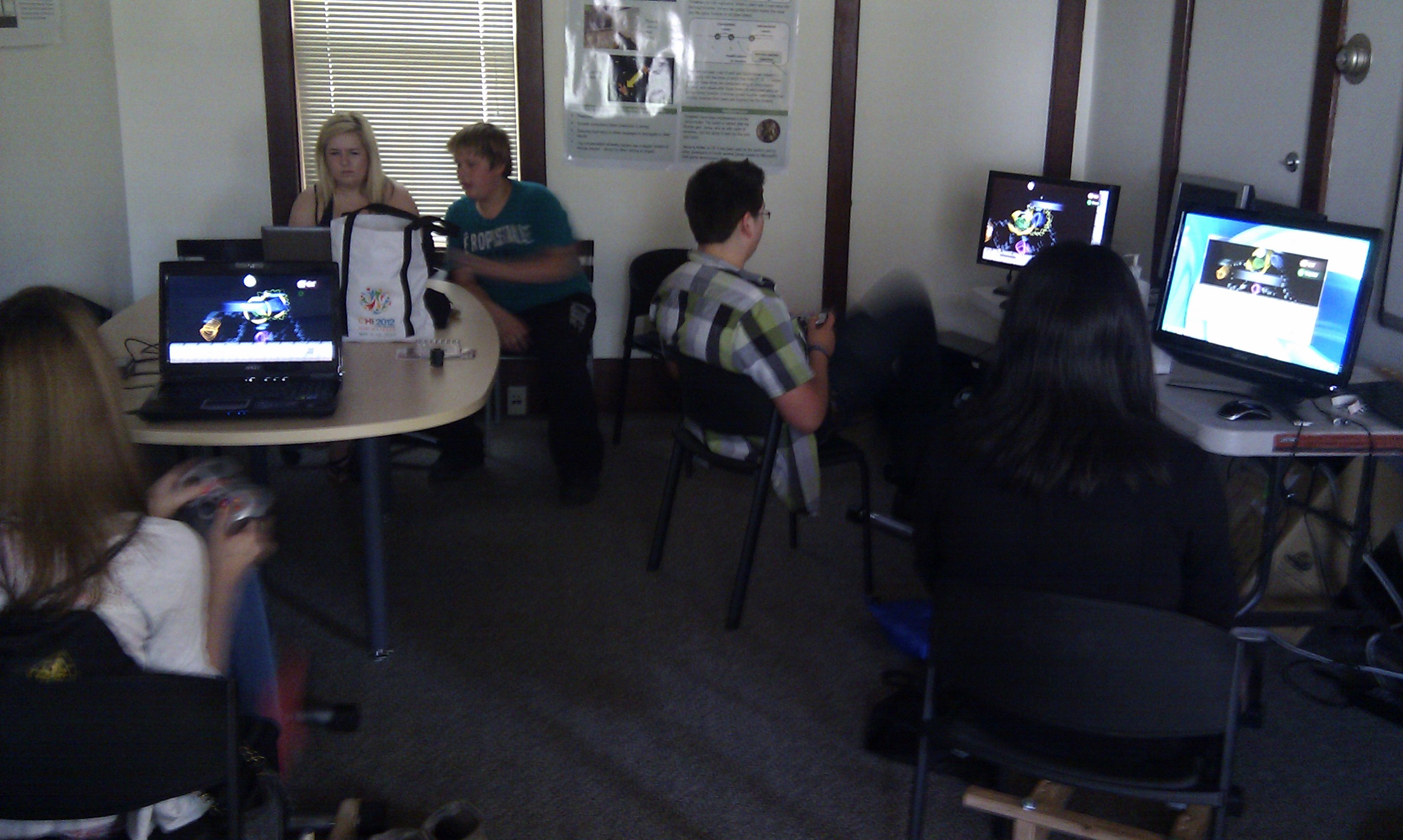
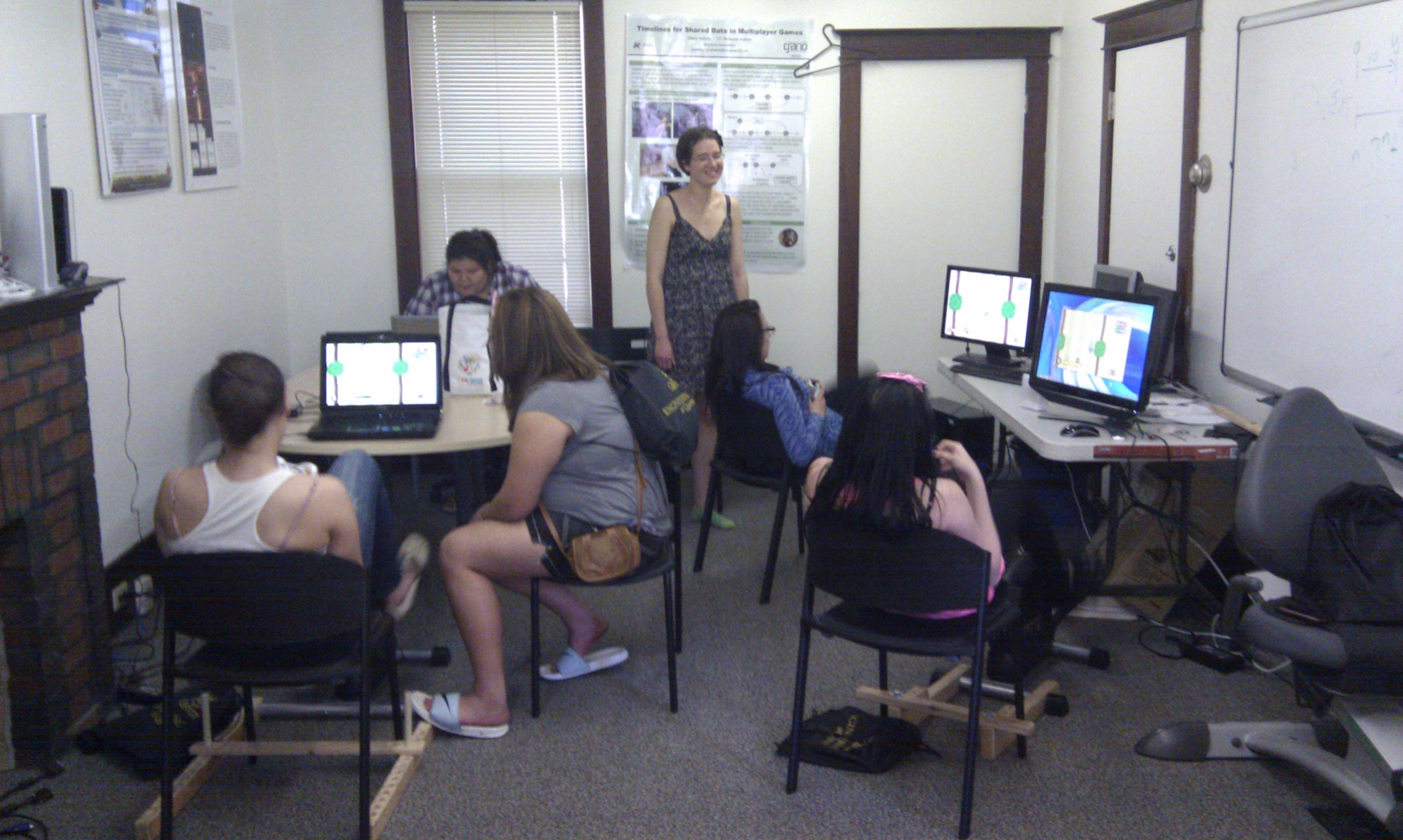
Several prospective students attended the EQUIS lab on May 15 as a part of the Aboriginal Discovery Days event at Queen’s University. Representing the school of computing, the lab demoed two of their current projects to the prospective students. Participants were invited to play Liberi and Liberi Live to learn more about the lab’s game orchestration project and the CP Fit N’ Fun project.
QSC Doctoral candidate, Cheryl Savery had this to say about the event:
“Thanks Hamilton, Mrunal, Michelle and Eric for helping out with the demos for Aboriginal Discovery Days … And thanks Zi for providing such a great demo with Liberi.”
“The kids all seemed to have an amazing time. So much so that they didn’t want to leave the game orchestration when time was up and they were begging to play just one more game in Liberi. Liberi looked great with five kids all playing in the same room at the same time.”
David Skillicorn and Tom Dean Comment on How Telecom Systems Can be Compromised
 The School of Computing’s David Skillicorn and Tom Dean (ECE) spoke with CBC News about how Canada’s telecommunications systems can be compromised by foreign suppliers of hardware and software. Read the whole story on CBC News here.
David Skillicorn in the News
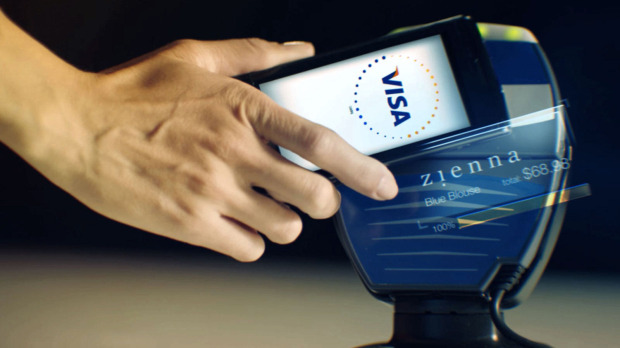
David commented on the recent introduction of the “digital wallet” in the Toronto Star and the Hamilton Spectator.
Human Media Lab Featured on CKWS Television
This past weekend, Roel Vertegaal and the team at the Human Media Lab unveiled what is being hailed as the first ever “Boutique Laboratory”. See the featured story, covered by CKWS-TV, here.
Human Media Lab Research Team Develops TeleHuman Hologram System
A research team from the Human Media Lab, headed by Roel Vertegaal, has developed a hologram system that produces life-size, three-dimensional holograms. The team was rounded out by John Bolton, Kibum Kim, Peng Wang and McGill University professor Jeremy Cooperstock. The story was featured in The Kingston Whig Standard, Queen’s News Centre, The Globe and Mail, National Post, Toronto Sun, Toronto Star, Montreal Gazette, CTV, QR77 (Calgary Talk Radio), CBC Radio and more than 50 other newspapers and websites across Canada. It was also featured in News Track India, the Los Angeles Times, United Press International, Canberra Times, Brisbane Times, Sydney Morning Herald, Daily Mail, Wired, Discovery Channel News, HSXD.com, Txchnologist, Logiciel, YouTube and several other technology and media outlets from around the world. The YouTube video demonstrating the technology received more than 21,000 hits in the first 24 hours.
- Kingston Whig Standard – Queen’s Research Team Launches Hologram System
- Queen’s News Centre – Life-size, 3D hologram-like telepods my revolutionize videoconferencing
- The Globe and Mail – Star Trek-like device beams life-sized holograms
- National Post – Star Trek just got real: Hologram-like 3D telepod invented by Queen’s U professor
- Toronto Sun – Researchers develop holograms for online chatting
- Toronto Star – Star Trek comes to life: Life-size 3D hologram created by Queen’s University researcher
- News Track India – Star Trek-like pd that beams 3D holograms may revolutionize videoconferencing
- Los Angeles Times – 3-D holographic video conferencing is real? Help me, Obi-Wan Kenobi!
- United Press International – 3-D pod like something from Star Trek
- CTV – Researcher invents Star Trek-like 3-D videoconferencing
- Wired – Augmented Reality: Telehuman and Bodipod
- Discovery Channel News – Videoconferencing Is Like 3-D Skype
- HSXD
- Txchnologist – “You’re My Only Hope”: 3D Videoconferencing with Telehuman
- Logiciel – Telehuman un concept qui innove