

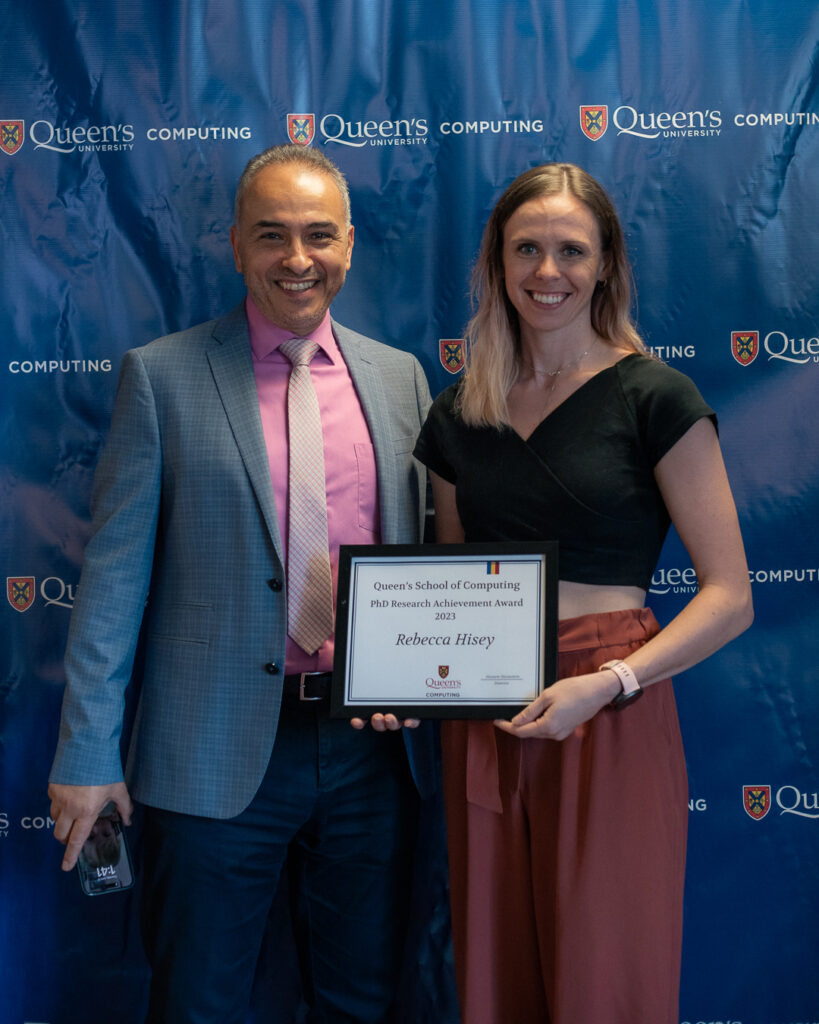
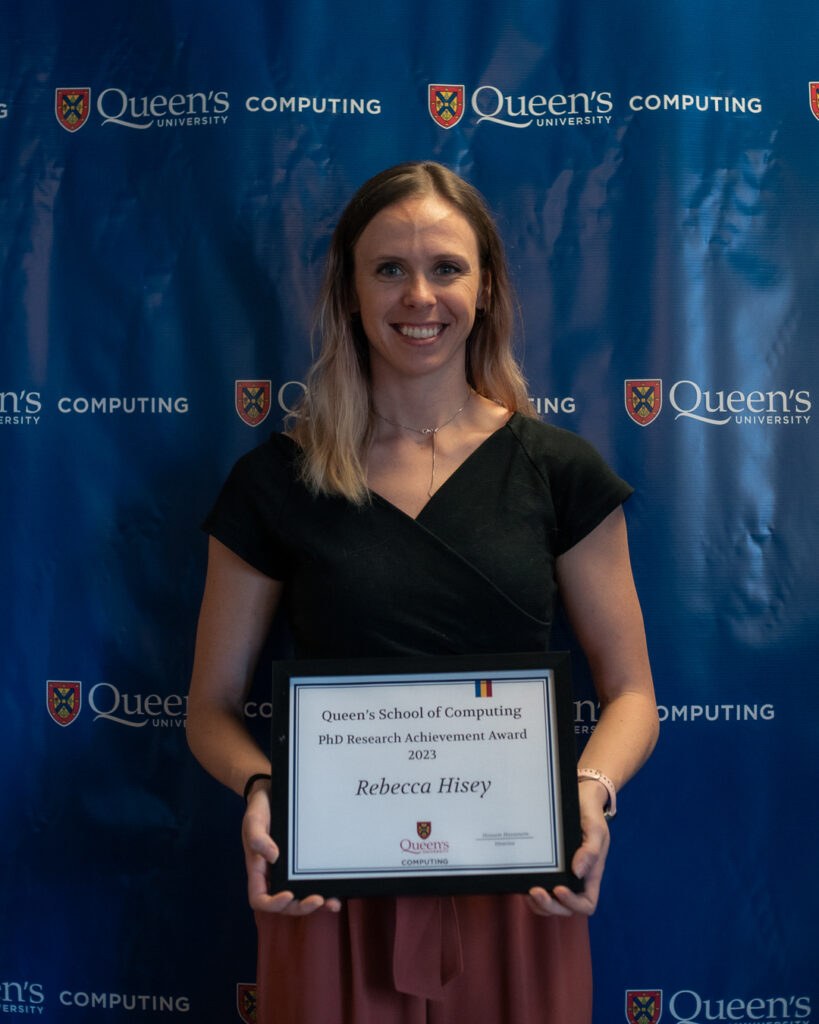
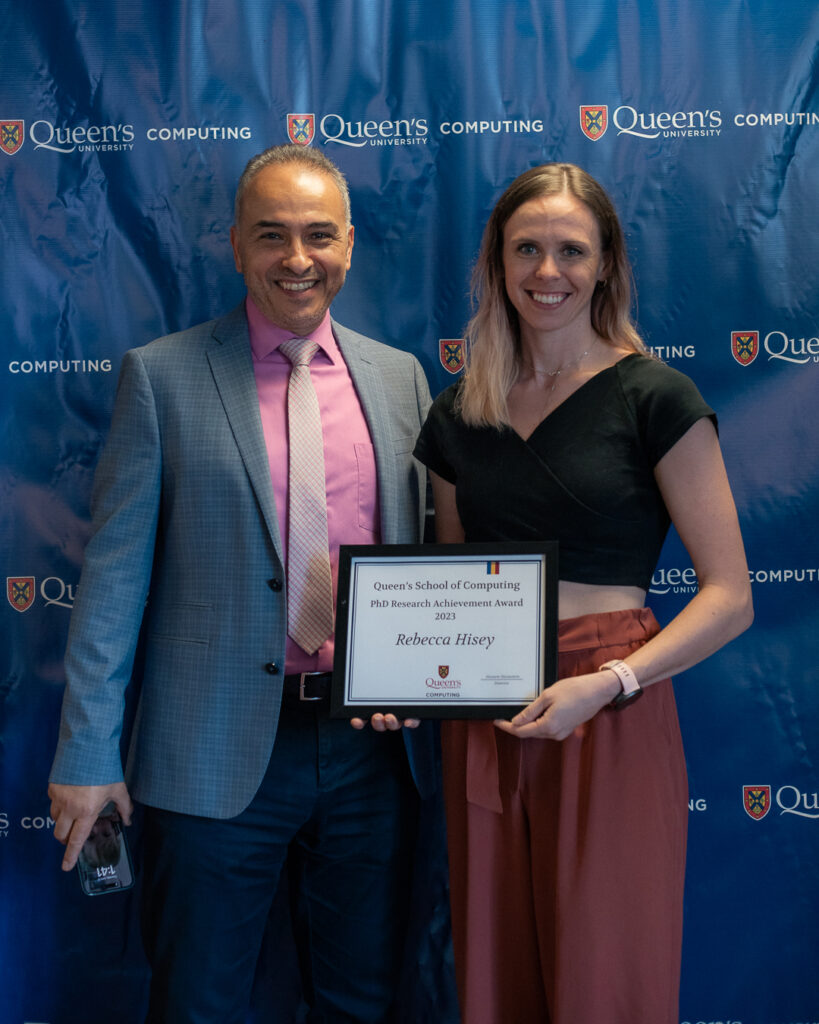
Rebecca Hisey
PHD Research Achievement Award
The purpose of the Award is to recognize a PhD student who achieved significant
research results: quantity and quality of publications, patents, and commercial products.
In her PhD research, Rebecca is advancing the state of the art in computer-assisted medical training. Her research explores video-based assessment of surgical skill using inexpensive webcams, opening this domain for wide-scale use, especially in low-income countries.
The publication outcome from her work is substantial, and it appears in the top forums of her field, such as the IEEE Transactions of Biomedical Engineering. Recently, she traveled to Dakar, Senegal, where she installed and put into practice her surgical intervention devices.
Rebecca’s supervisor, Prof. Gabor Fichtinger, wrote:
“As a top student, researcher, mentor, teacher, team builder and athlete, Rebecca has been a truly inspirational role model for our students in every aspect. Based on her brilliant achievements in all aspects of translational biomedical computing research, I consider Rebecca Hisey a singularly worthy recipient of the Queen’s School of Computing PhD Research Achievement Award.”

Dr. Lee Jones
Honorable Mention – School of Computing Research Award
The Awards Committee acknowledged Dr. Lee Jones as the runner-up for the award, stating that “the final decision was a very difficult one between these two deserving and praiseworthy nominees.”
Dr. Jones is a postdoctoral fellow with the iStudio lab. In her research she develops DIY toolkits so individuals can design and create interactive soft technologies to suit their own needs.
Quote from the iStudio Director, Dr. Sara Nabil:
“Lee Jones is an outstanding researcher with highly regarded publications, exclusively in the top 10 venues of our field.
She has excelled at publishing in top Tier-A HCI academic venues and has 28 peer-reviewed papers published to date (acceptance rate 20~24%) with most of them while working at the School of Computing. This is including an ACM CHI2023 paper that she just presented at the most prestigious HCI conference last month in Germany. Her rigorous research is suburb and deserving this award is unquestionable.”
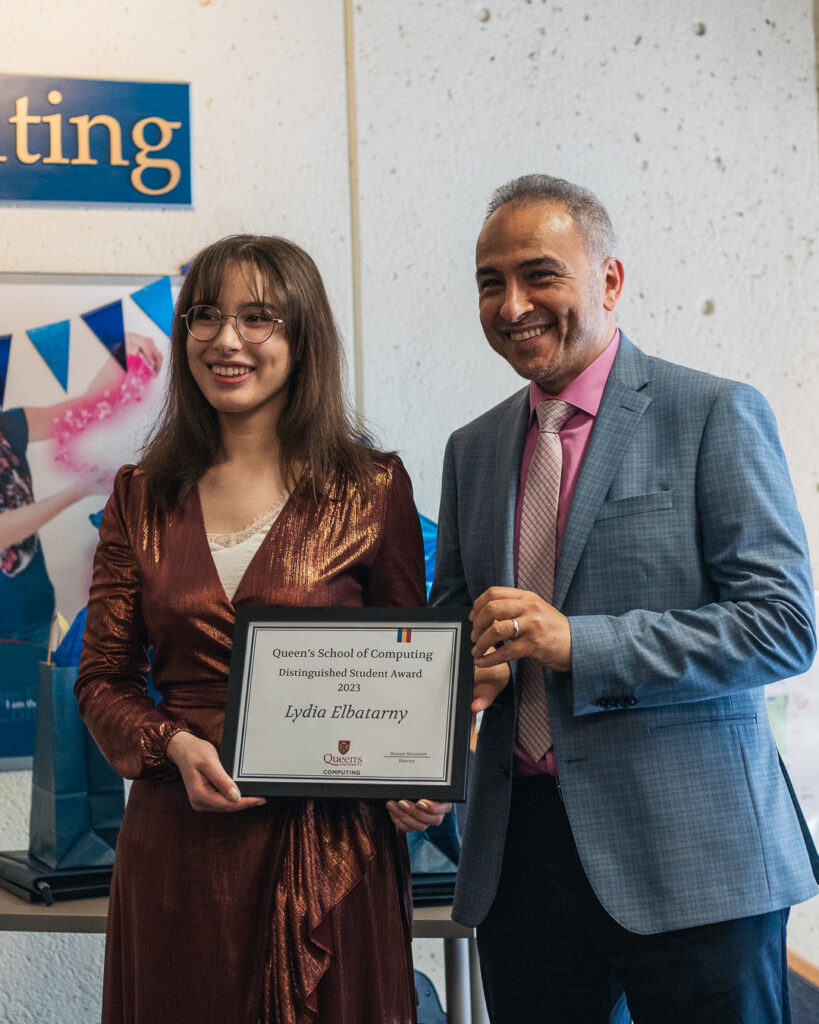
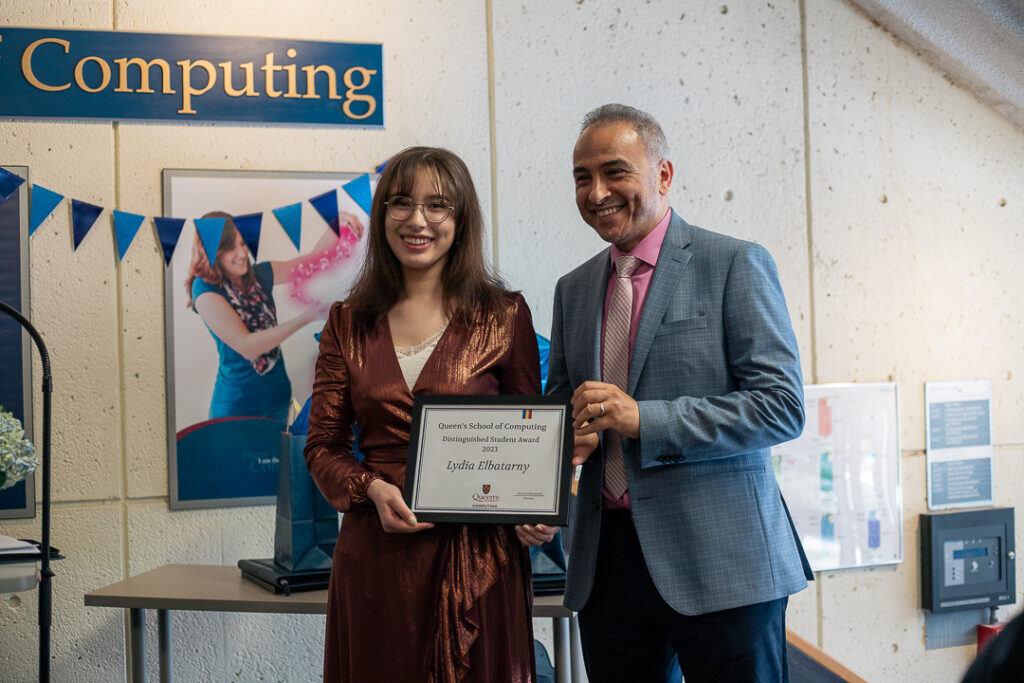
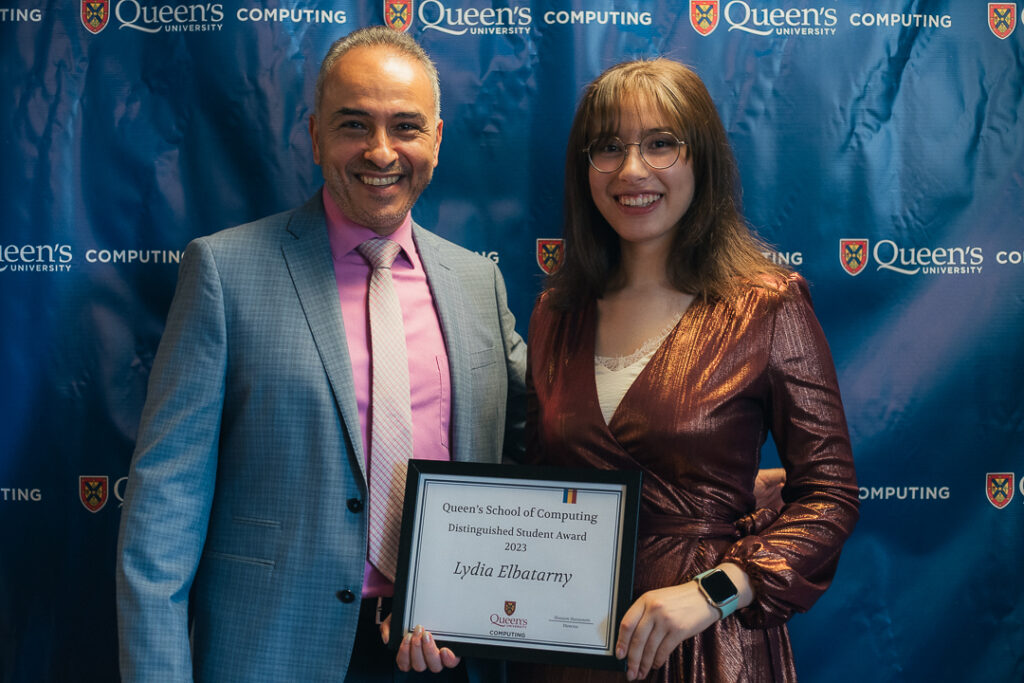
Lydia Elbatarny
Distinguished Student Award
The purpose of the Award is to recognize a student who contributed to the School of
Computing with recognized service while maintaining excellent academic performance and
research contributions.
During her time at Queen’s, Lydia has made outstanding and exceptional contributions to student life in the School of Computing. Her personal skills and strengths are as impressive as her intellectual accomplishments. She has consistently been on the Dean’s Honour List.
Lydia has volunteered in countless outreach events such as March Break Open House and Science Rendez Vous and serves as a Student Ambassador mentoring younger students at the University.

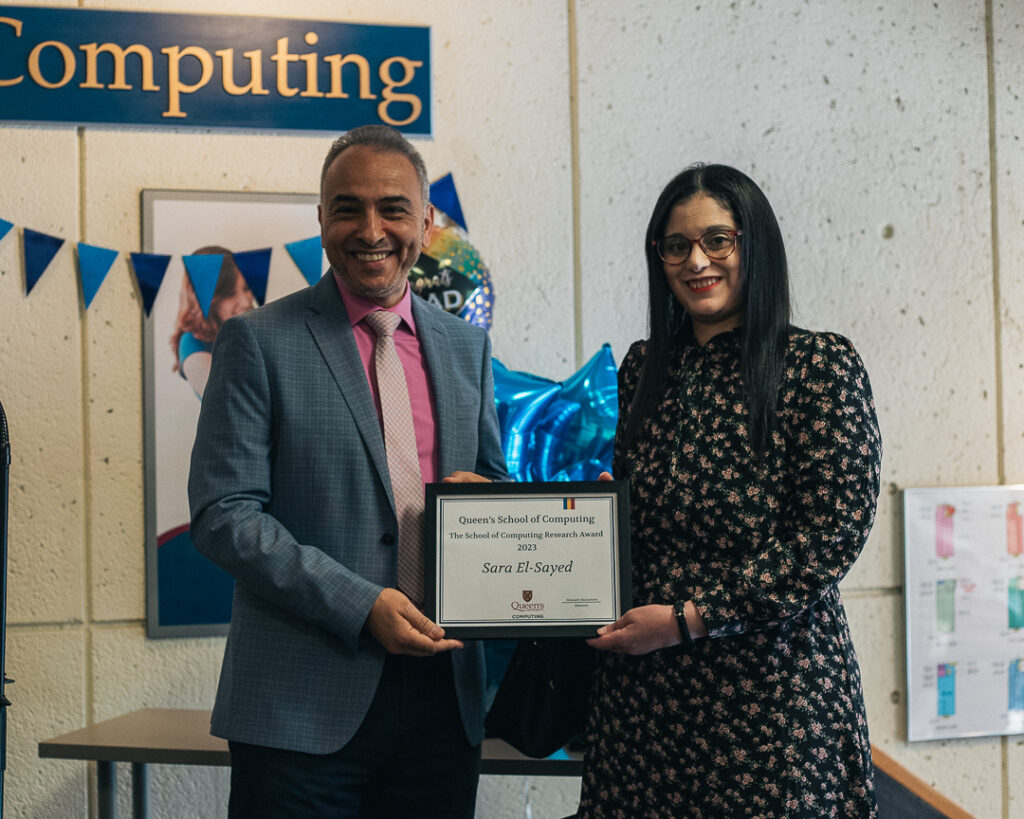
Dr. Sara El-Sayed
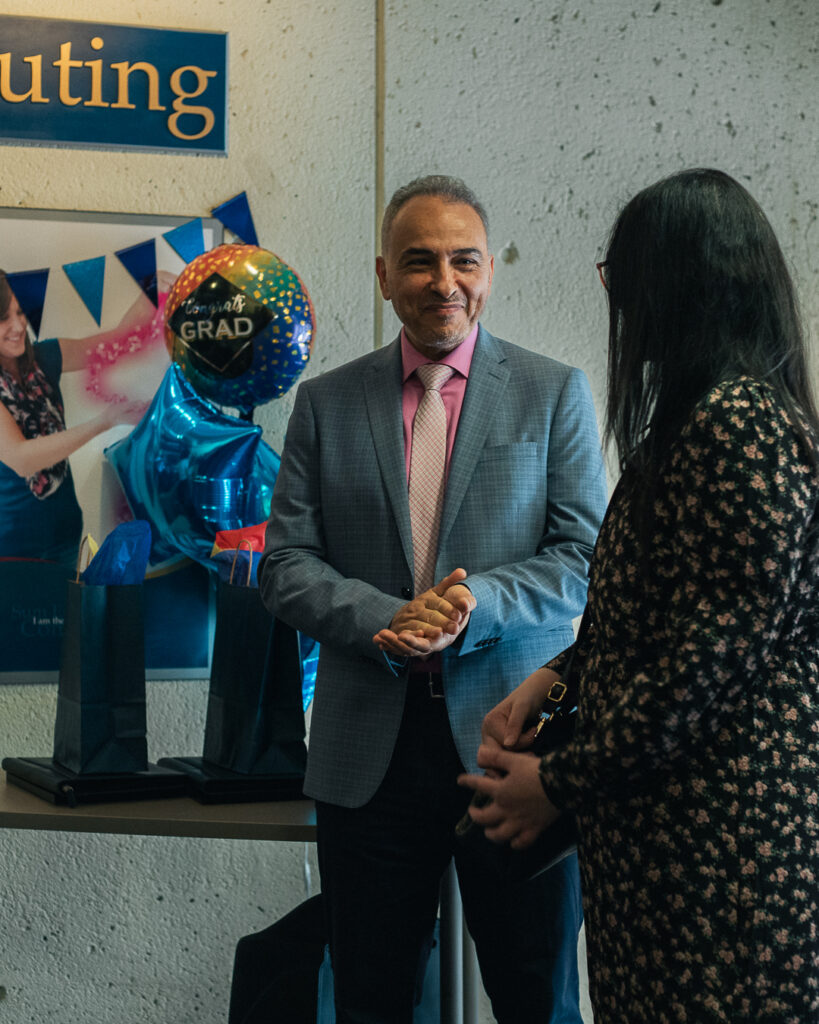
School of Computing Research Award
The purpose of the Award is to recognize outstanding research contributions made by a
School of Computing postdoctoral fellow or other researcher affiliated with the School. The
criteria used are quantity and quality of publications, patents, and commercial products. The
research contributions should be the result of work that the researcher performed while working
in the School of Computing.
Dr. Elsayed is a Postdoctoral Fellow in the Telecommunications Research Laboratory (TRL). In 2022, she led a group of students to make groundbreaking contributions to the democratization of Edge Computing/Edge Intelligence (EC/EI).
In addition to her own research achievements, Dr. Elsayed mentored several students who made significant contributions towards cutting-edge research in proactive and worker-oriented resource allocation. Her other mentees were able to conduct trailblazing research in QoS-based task replication, task offloading, and task migration in democratized EC systems.
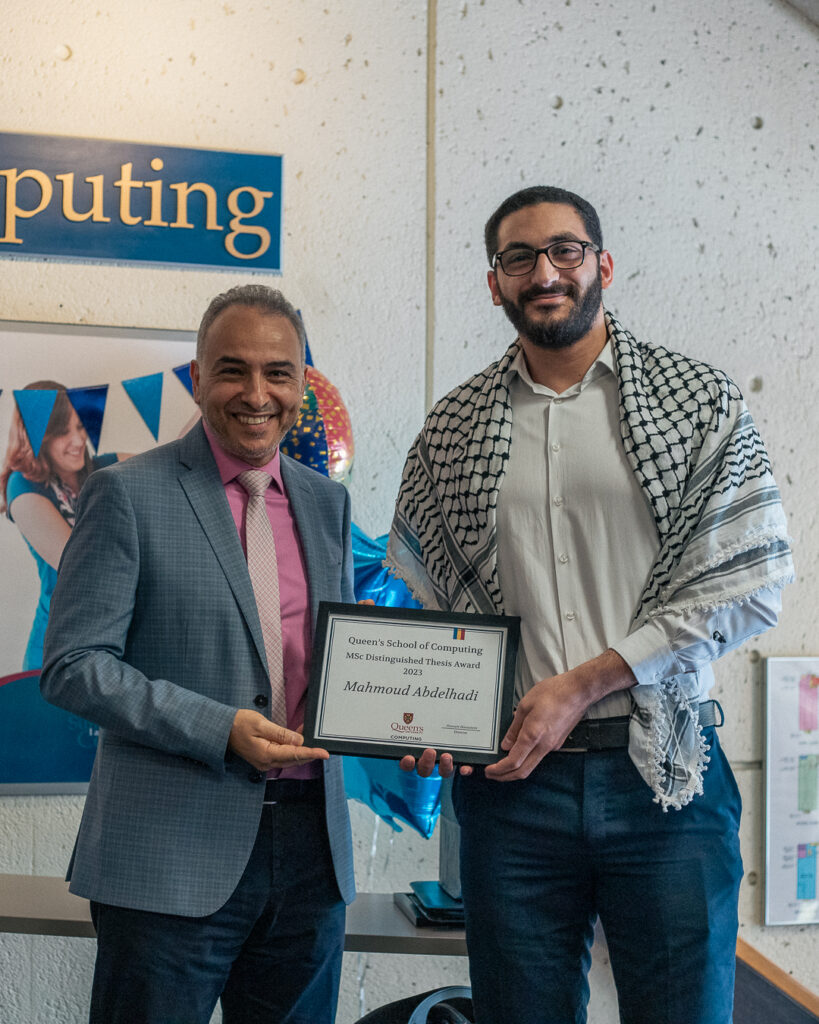
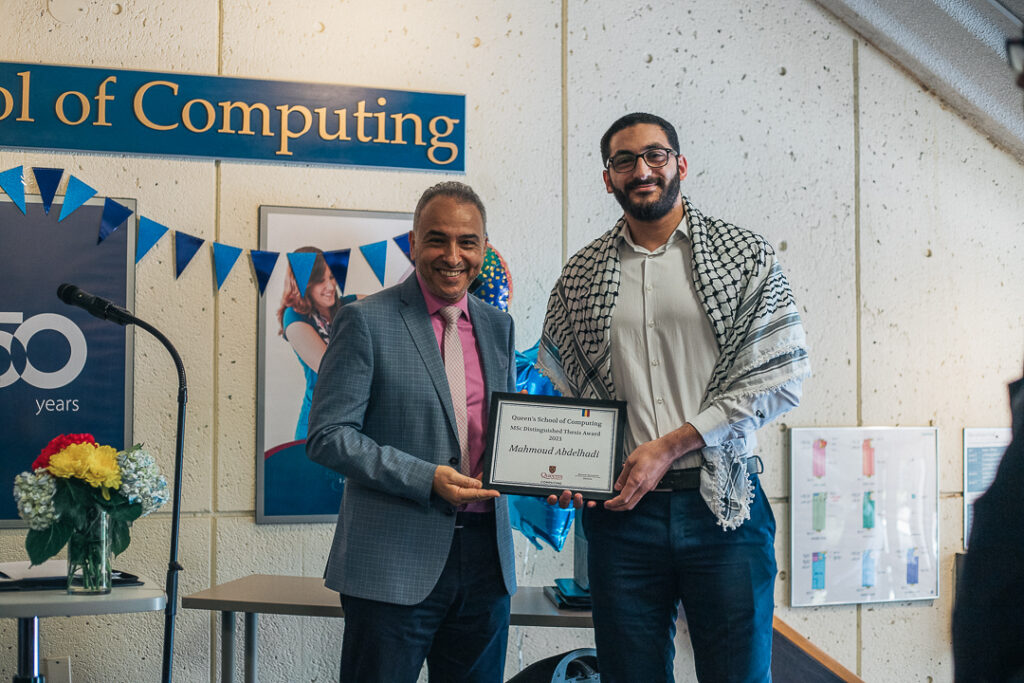
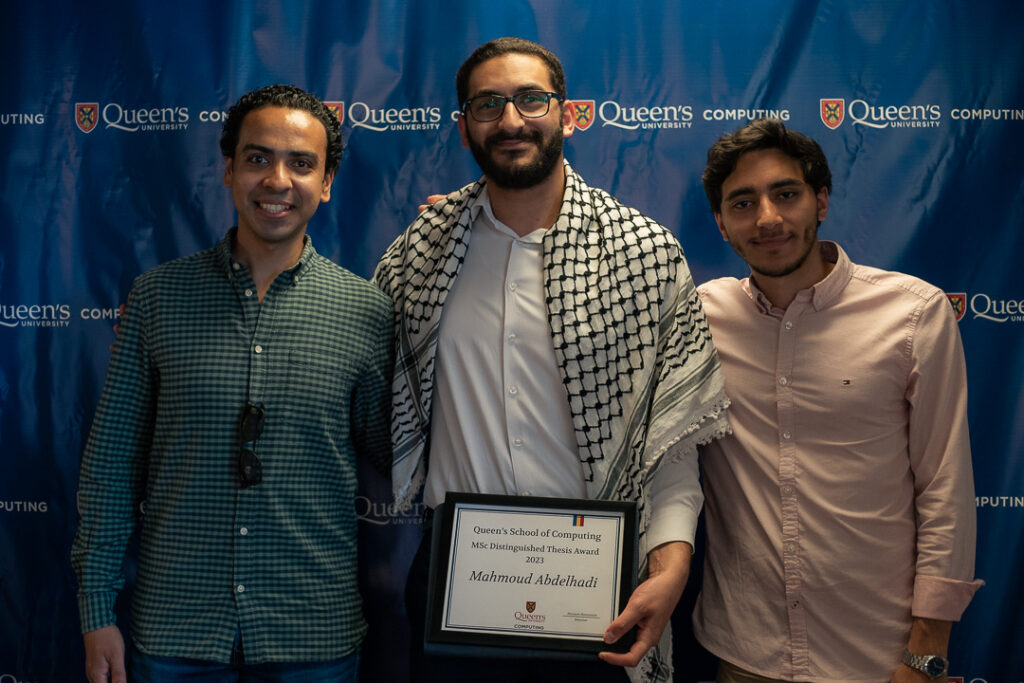
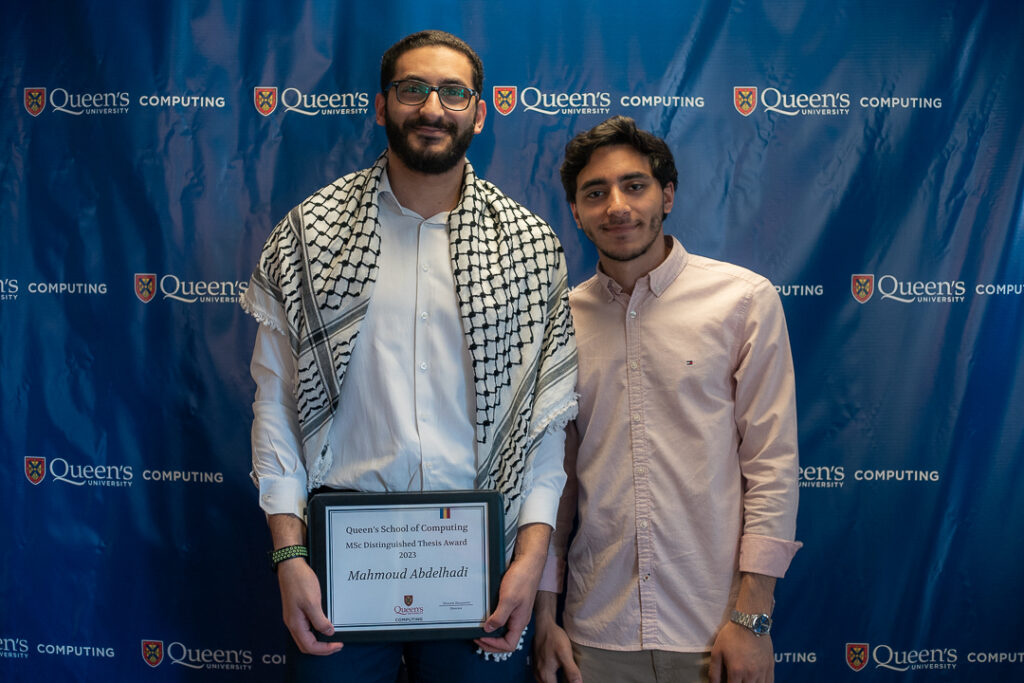
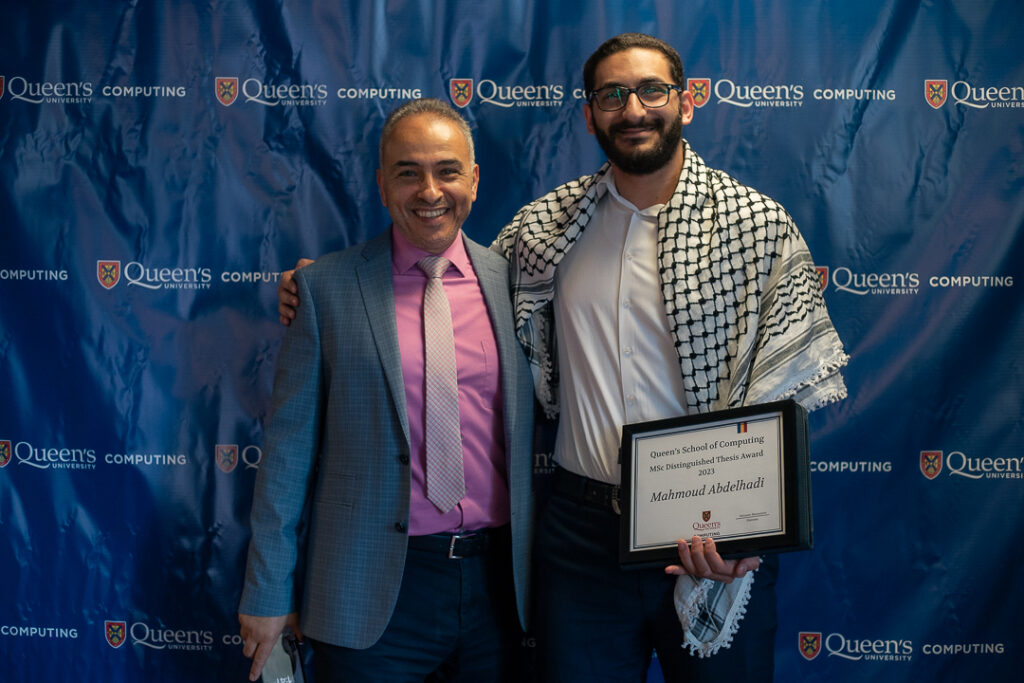
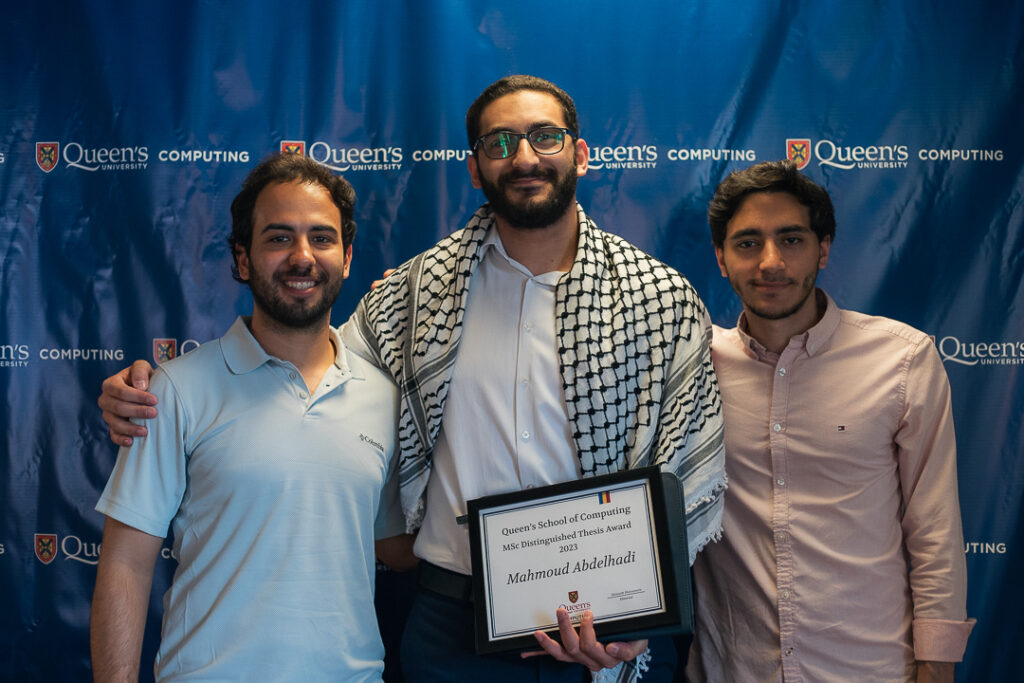
Mahmoud Abdelhadi
Distinguished MS Thesis Award
The School of Computing distinguishes a few MSc theses every year as exemplary. The
designation reflects the research quality and writeup. Each year one of these is selected as the
Distinguished MSc Thesis.
Mahmoud’s thesis, titled “Spatiotemporal Analysis on Distributed Task Offloading in Extreme Edge Devices” was prepared under the mentorship and supervision of Professors Sameh Sorour, Hesham ElSawy and Hossam Hassanein.
Note from the examiners:
“The thesis is well written and provides an outstanding and original research results for extreme edge computing for IoT networks. In particular, the thesis provides solid and novel contributions for network characterization, performance assessment, and design. Mr. Abdelhadi develops novel and solid mathematical models based on stochastic geometry and queueing theory that account for the devices’ spatial density, devices’ random locations, temporal evolution of the computing process, and devices vulnerability to failures. Such mathematical models are important for standardization bodies, equipment vendors, and network operators to characterize, predict, and assess the extreme edge computing performance to take informed decisions about future technology development.”
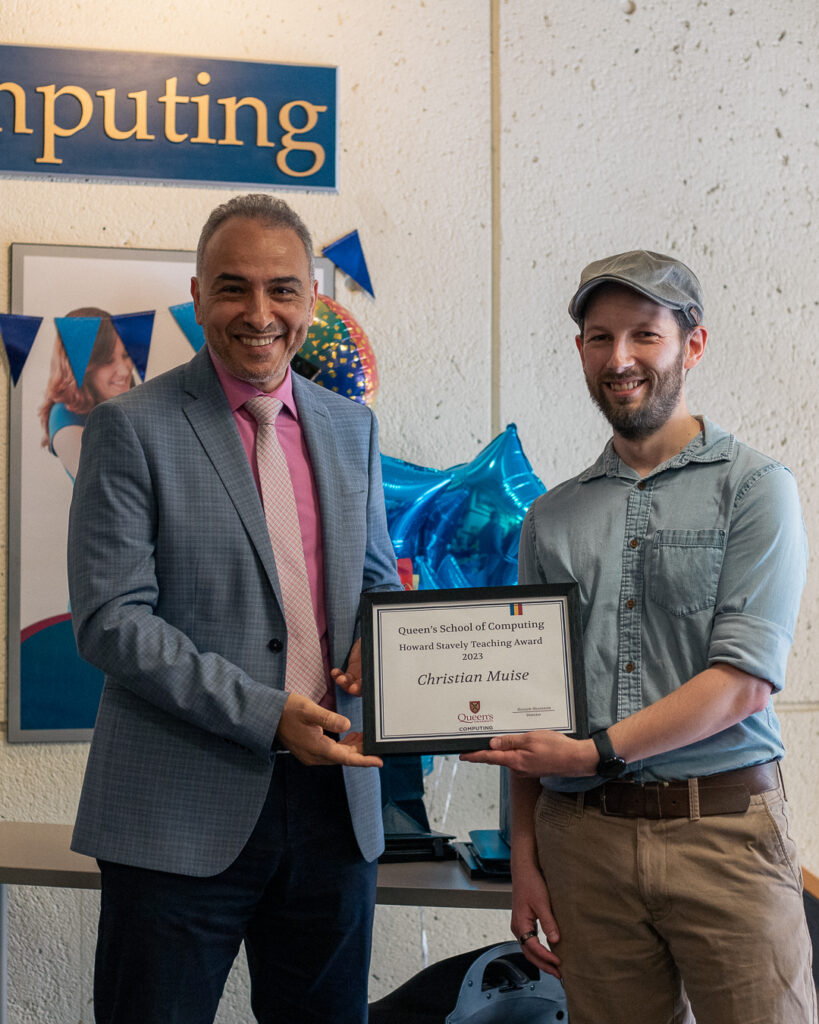
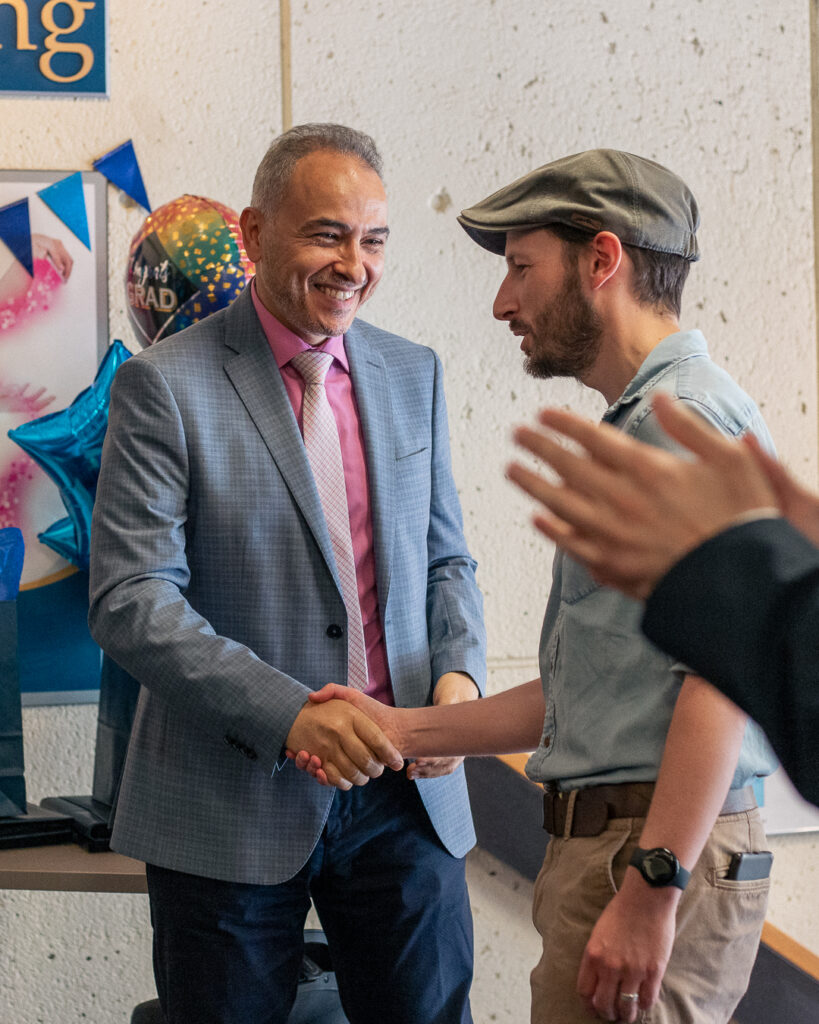
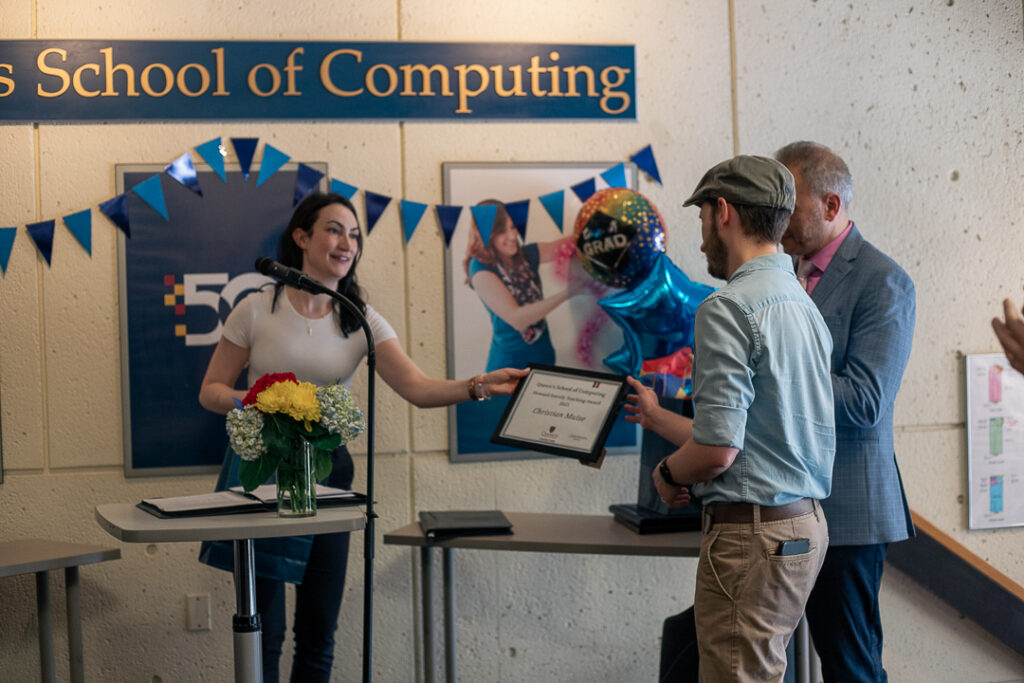
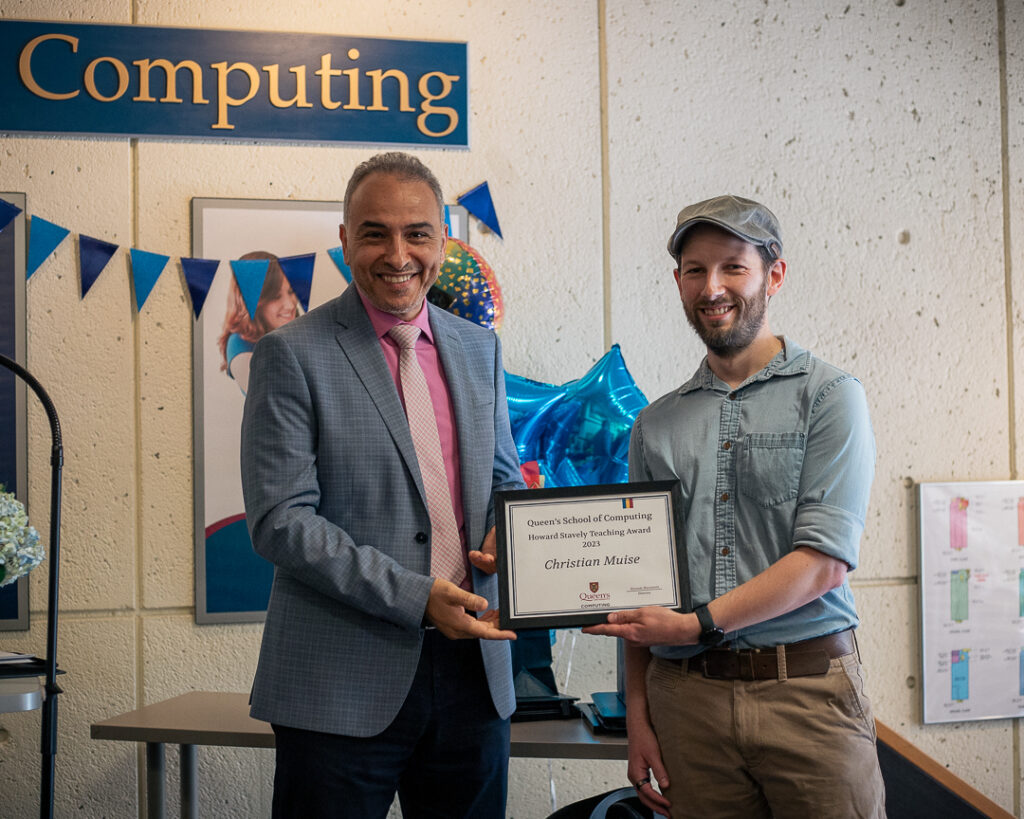
Dr. Christian Muise
Howard Stavely Teaching Award
Howard Staveley started working at Queen’s University in 1966. He became an adjunct
instructor for the department of Computing and Information Science (our School of Computing)
in 1982 and continued teaching until the winter term of 1996. He also held the position of Manager
of Information Systems in Computing Services from 1982 until 1996. Howard passed away in
1996 at the age of 52, in the midst of a successful career. He has been sorely missed by his many
friends at Queen’s. In 1997 an annual teaching award was created in his memory.
Dr. Muise has been an Assistant Professor at QSC for more than 3 years. He is the head of the MuLab research group, where his own research focuses on an area of Artificial Intelligence called Automated Planning; a field dedicated to synthesizing and executing strategies in an automated fashion in order to achieve a given goal.
Christian Muise was selected for this award by an anonymous poll of undergraduate computing students, organized by the Queen’s University Computing Students Association (or COMPSA), which makes this award all the more special, and testifies to the fact that Christian Muise is a genuine favourite instructor among undergraduate students.
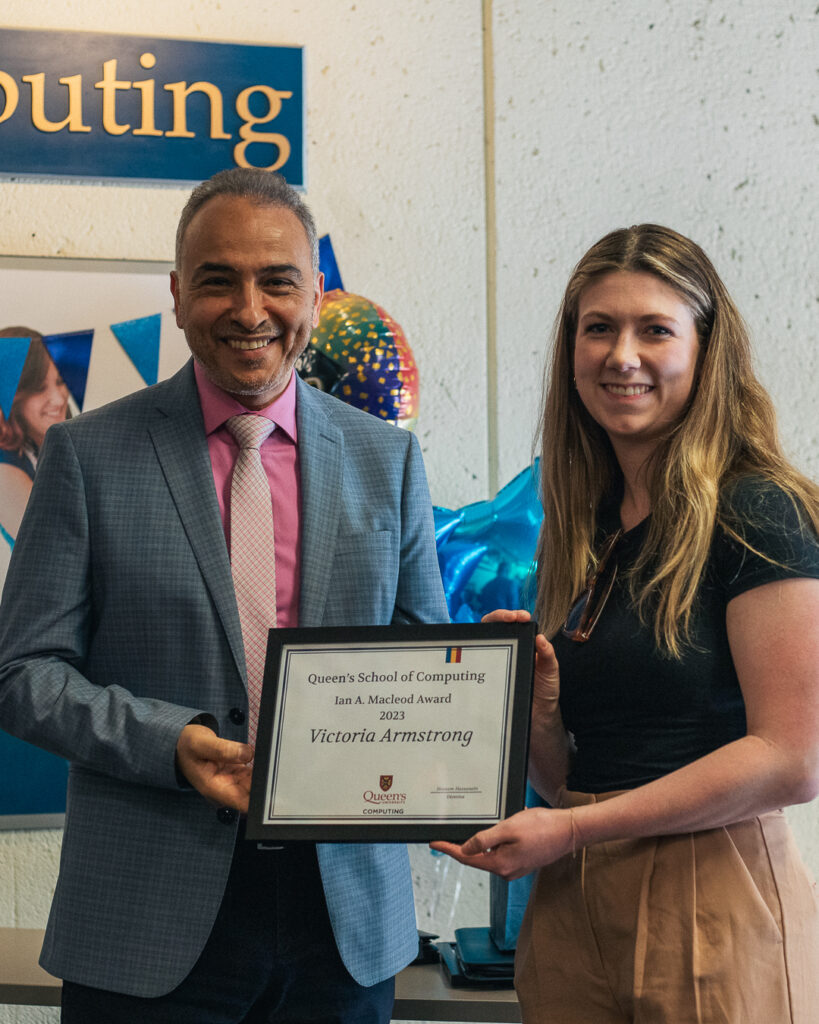
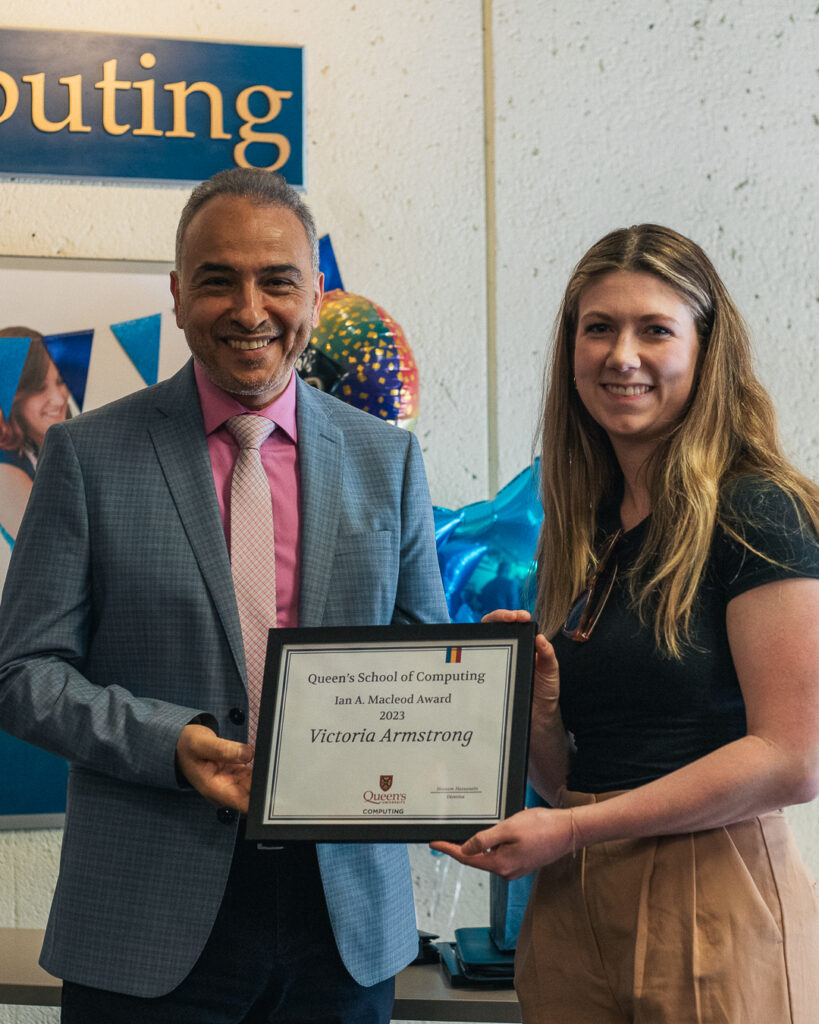
Victoria Armstrong
Ian A. Macleod Award
Established by friends, colleagues, and students in memory of Professor Ian A. Macleod,
who was a member of the Department of Computing and Information Science (our School of
Computing), from its inception in 1969 until 1995. To commemorate his belief in the importance
of a strong departmental spirit, the award is granted to the graduate student who made the greatest
contribution to the intellectual and social spirit of the School of Computing during the preceding
academic year.
Distinguished Service Award
The purpose of the Award is to recognize outstanding service to the School of Computing.
Victoria dedicated her research time to exploring human interaction with AI and currently works in both the iStudio and the Mu labs. As a second year PhD student, Victoria has already published two research papers and has an incredibly high GPA of 4.2.
Victoria is a long-standing member and current president of GCS, a mentor through A&S mentorship program, a long-standing member of orientation committee, and a highly ranked TA.
Her supervisor Dr. Christian Muise wrote about Victoria “Victoria Armstrong is incredibly deserving of the Ian McLeod award, as she has built an incredibly strong community here in the school of computing. When she graduates, the department will be at a great loss. This award perfectly embodies the spirit of what Victoria is all about – excellence in research through accessible collaboration.”

Colton Barr
Excellence in Teaching Award (TA)
The purpose of the award is to recognize excellence in teaching assistance (a.k.a. The
Best TA) in an undergraduate course at the School of Computing.
Colton is doing his PhD in Computer Science and has been selected as the best TA in a survey among students in his class, with an additional nomination from Dr. Gabor Fichtinger, the teaching instructor to the Computer-Integrated Surgery course.
Quote from Dr. Fichtinger’ s nomination:
“Teaching this course is a great joy and responsibility that I am immensely pleased and relieved to share with Colton. His expertise, dedication, and above all his love for teaching and mentoring, render him the ultimate partner and comrade I can wish for in this this endeavour.”
Dr. Ting Hu, Samad Shabestari, and Rachel Theriault were recognized as Champions of Mental Health at Queen’s for creating supportive learning and campus environments. The Champions for Mental Health program is a student-led initiative, responding to both student feedback and clear research calling for increased mental health promotion in academic and other campus environments. The initiative was developed in 2021 in alignment with the Queen’s Campus Wellbeing Framework.
This year, students across Queen’s have nominated more than 60 faculty and staff members for going the extra mile to support students in their emotional wellbeing, and showing compassion and encouragement in more areas of campus life than just academic work.
Full nomination profiles of QSC Mental Health Champions are posted on the Campus Wellness website:
Med-i CREATE students and faculty along with their peers from the Western CREATE program attended the Imaging Network Ontario (IMNO) symposium.
Many congratulations to Ayesha Syeda and Dilakshan Srikanthan from the Med-i and Perk labs for being recognized with the Best Presentation Awards!
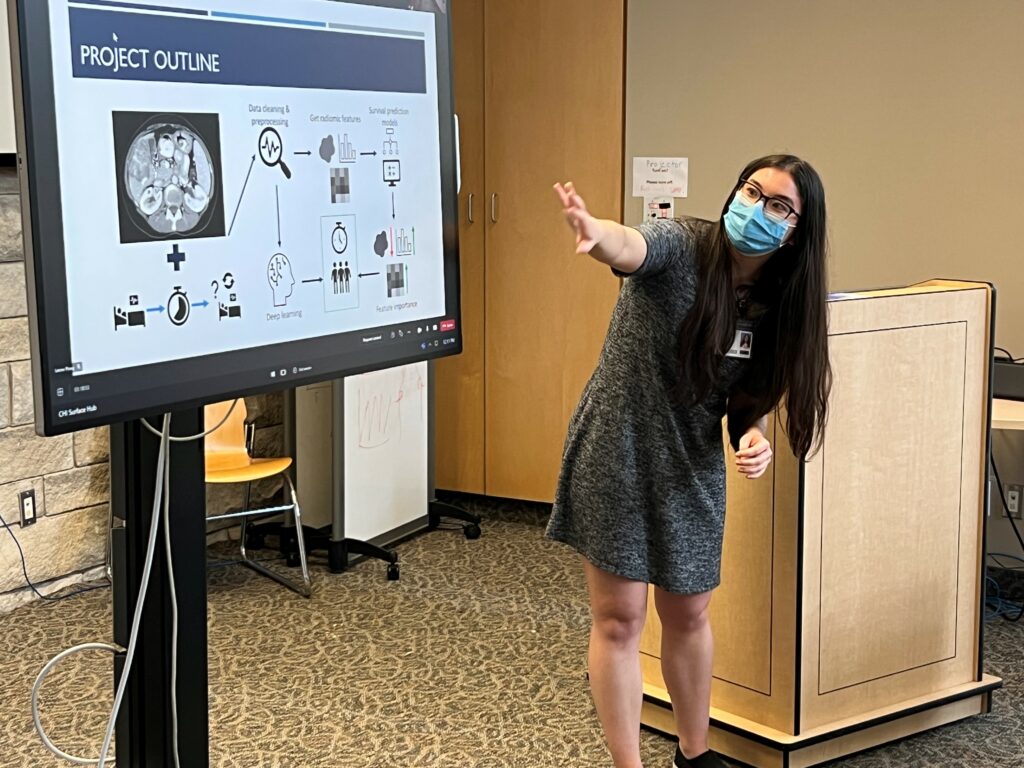
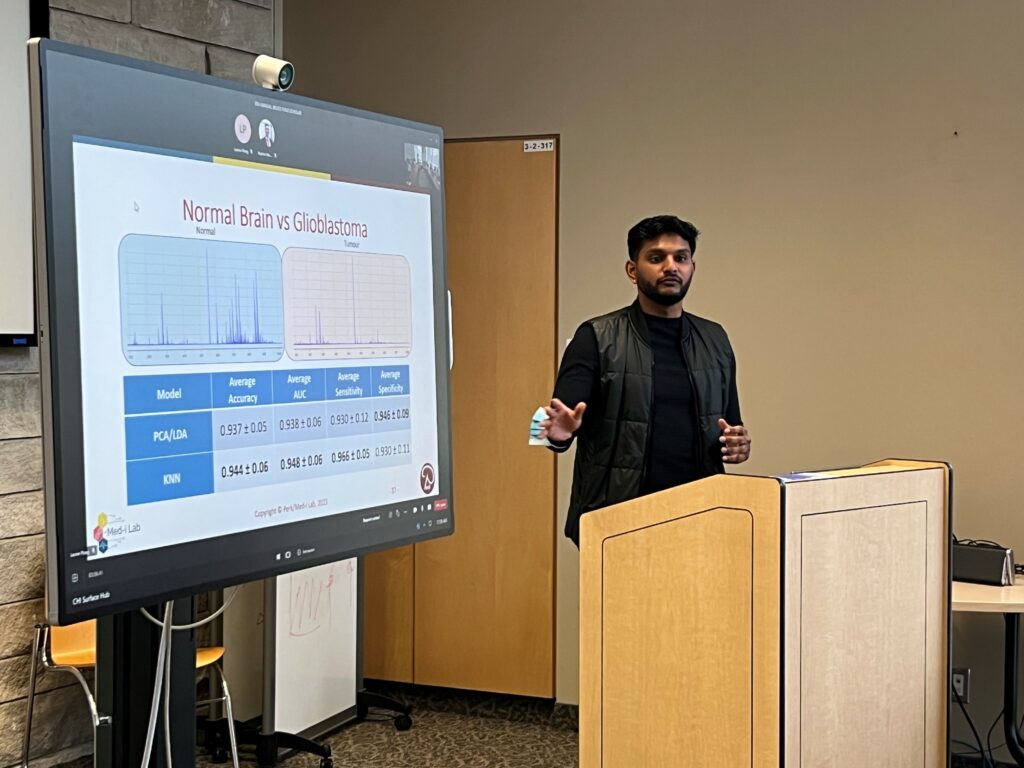
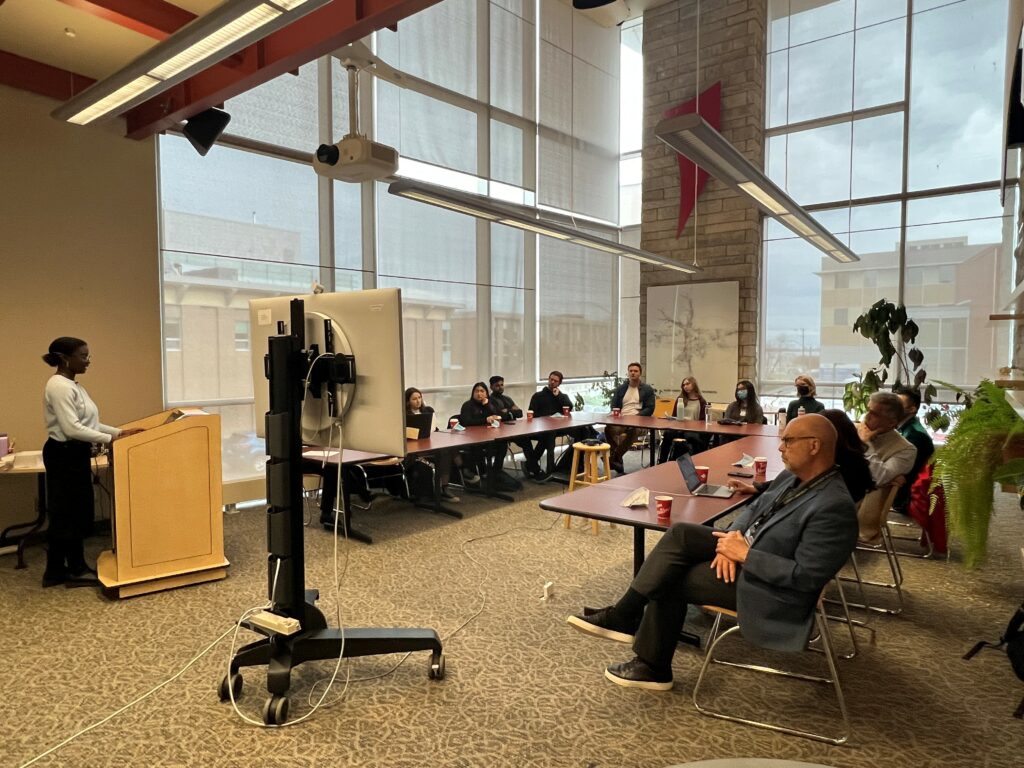
In a special ceremony on May 7th, the Ontario National Center for Women & Information Technology (NCWIT) Aspirations in Computing Awards were presented at the Smith School of Business satellite campus in downtown Toronto. 36 female identifying secondary school students were celebrated for their inspiring accomplishments and contributions to the tech field. The organization partnered with Queen’s School of Computing Professor Wendy Powley in administering the awards. Congratulations to all the winners!
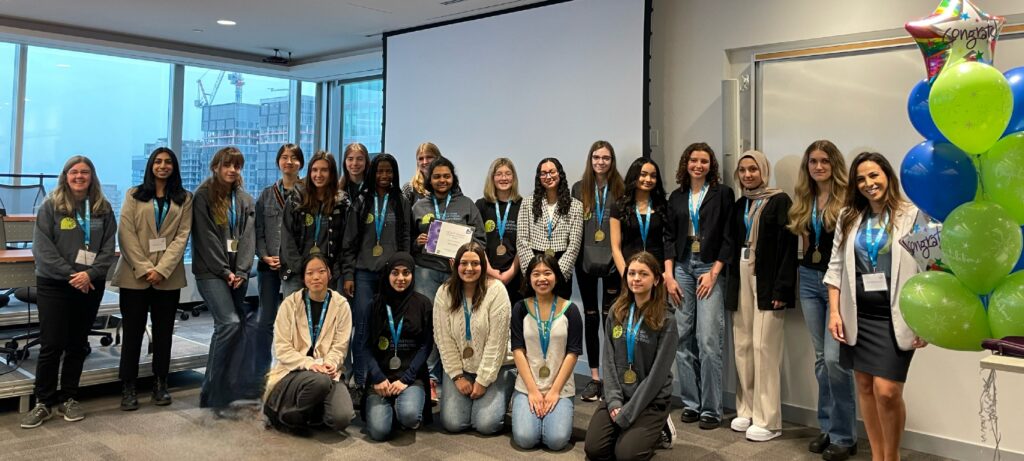
The NCWIT Award for Aspirations in Computing (AiC) honours and recognizes grade 9 through 12 students who self-identify as women, genderqueer, or non-binary for their computing-related achievements and interests, and encourages them to pursue their passions. Award recipients are selected based on their aptitude and aspirations in technology and computing, as demonstrated by their computing experience, computing-related activities, leadership experience, tenacity in the face of barriers to access, and plans for post-secondary education.
– National Center for Women & Information Technology
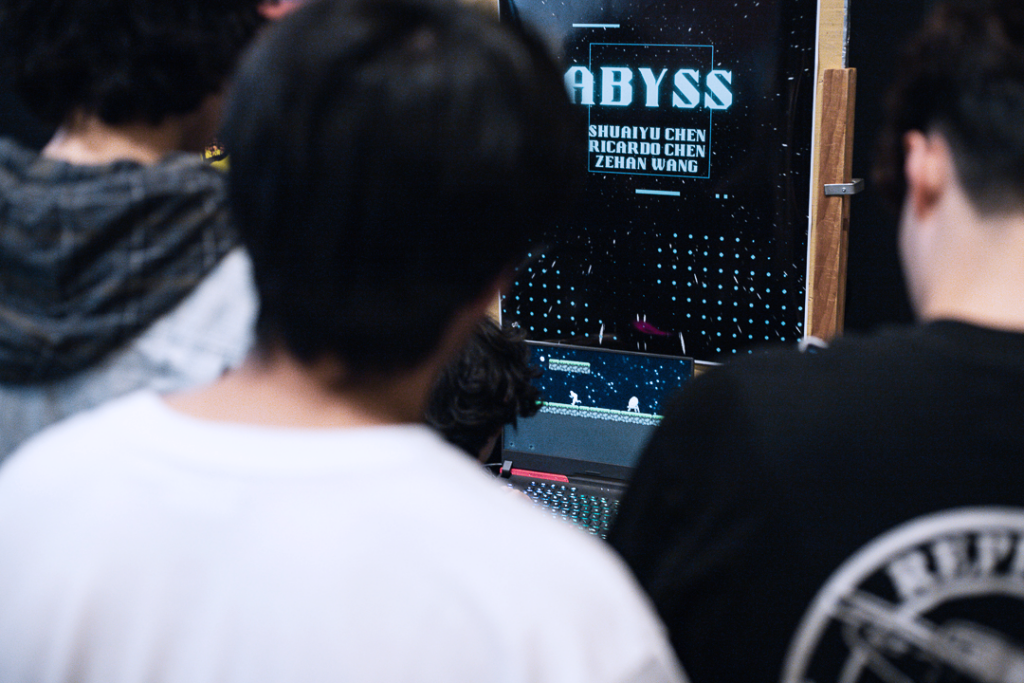
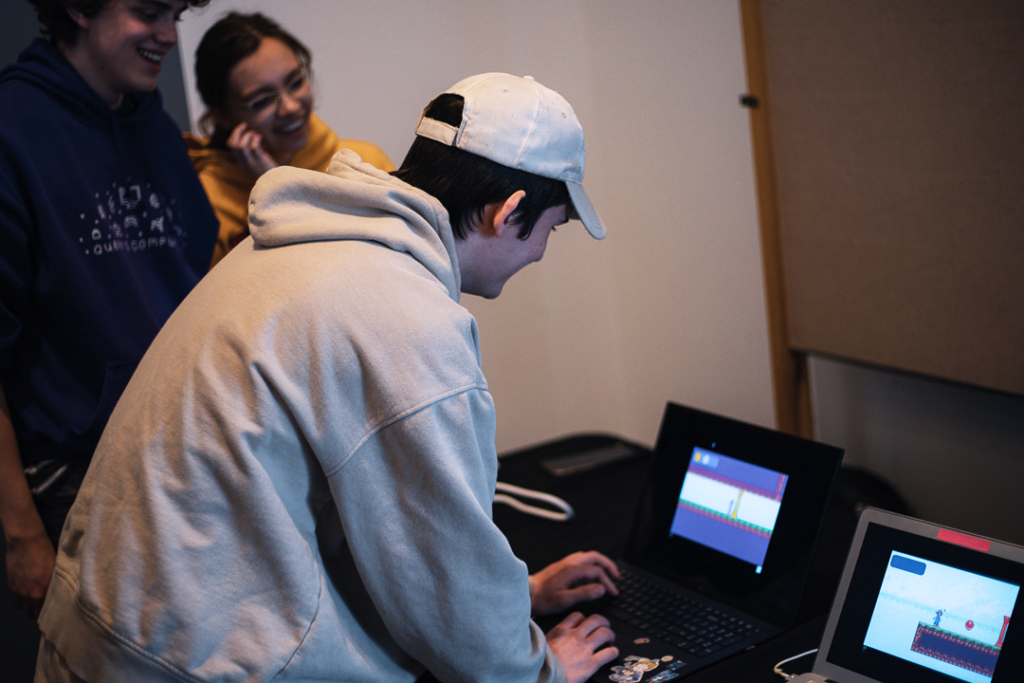
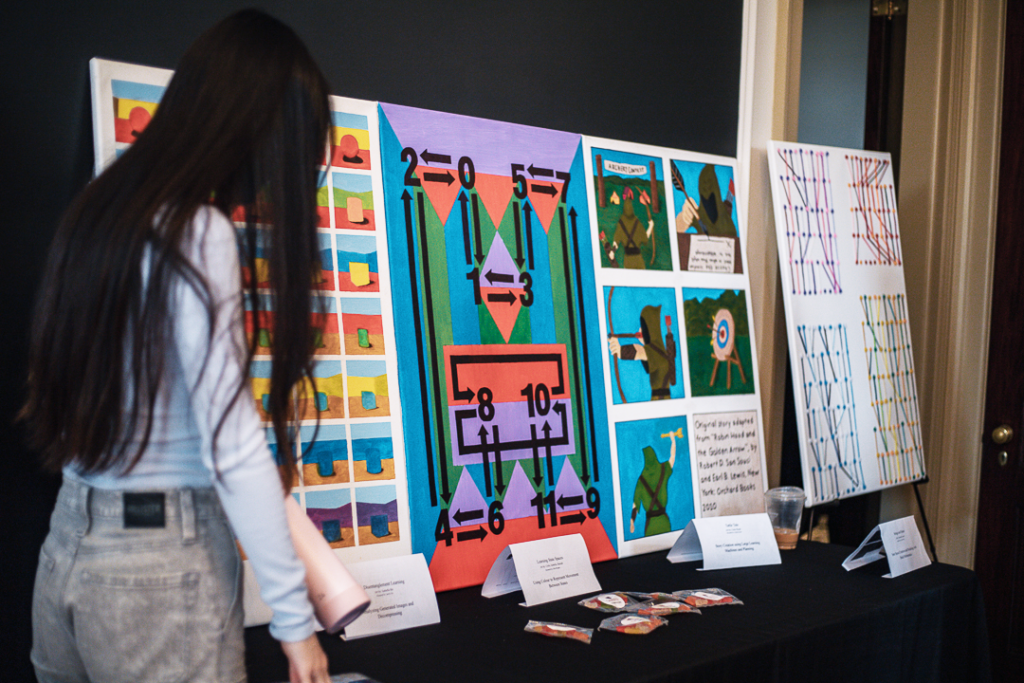
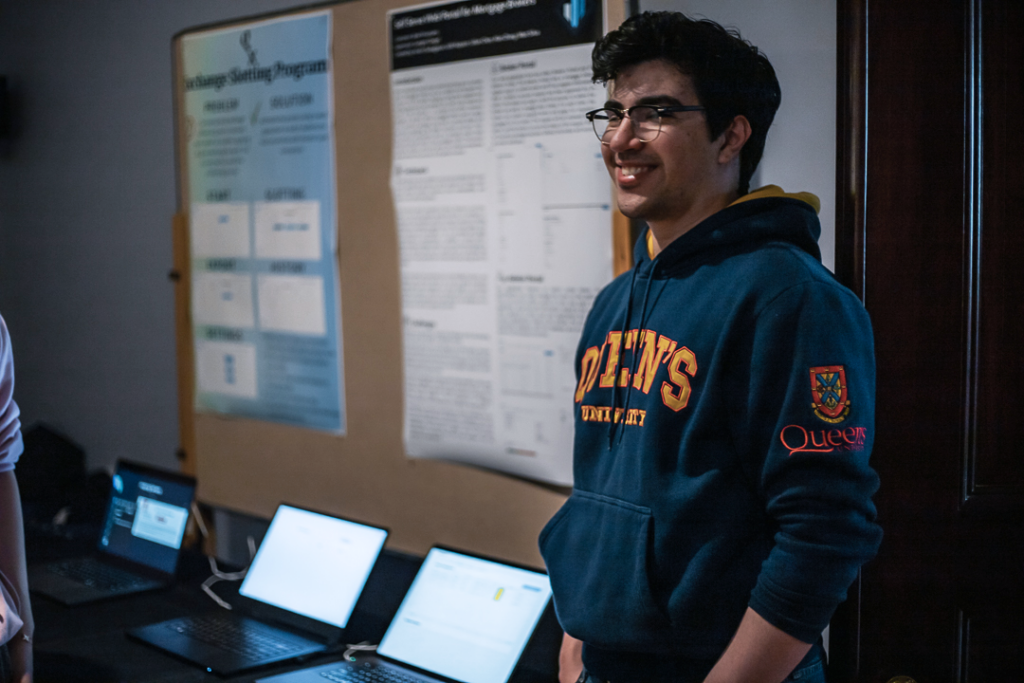
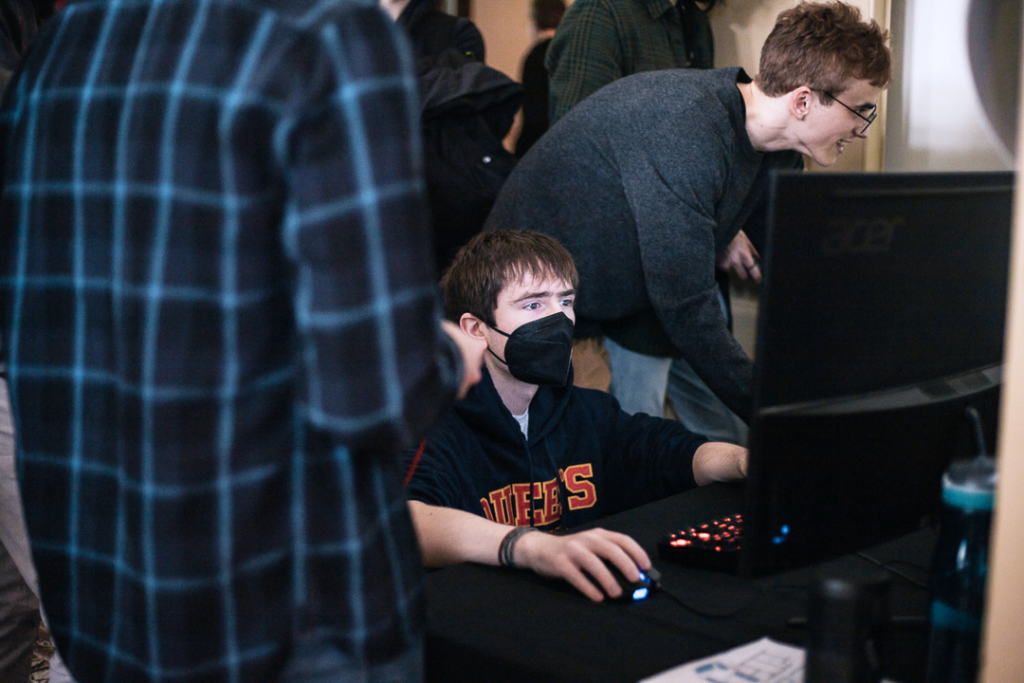
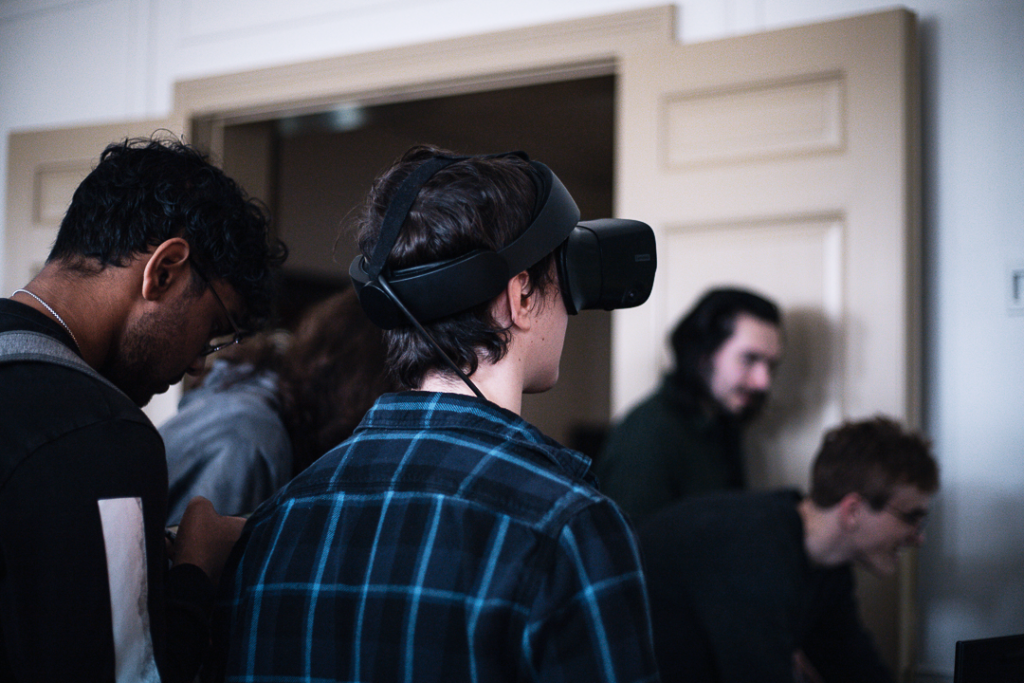
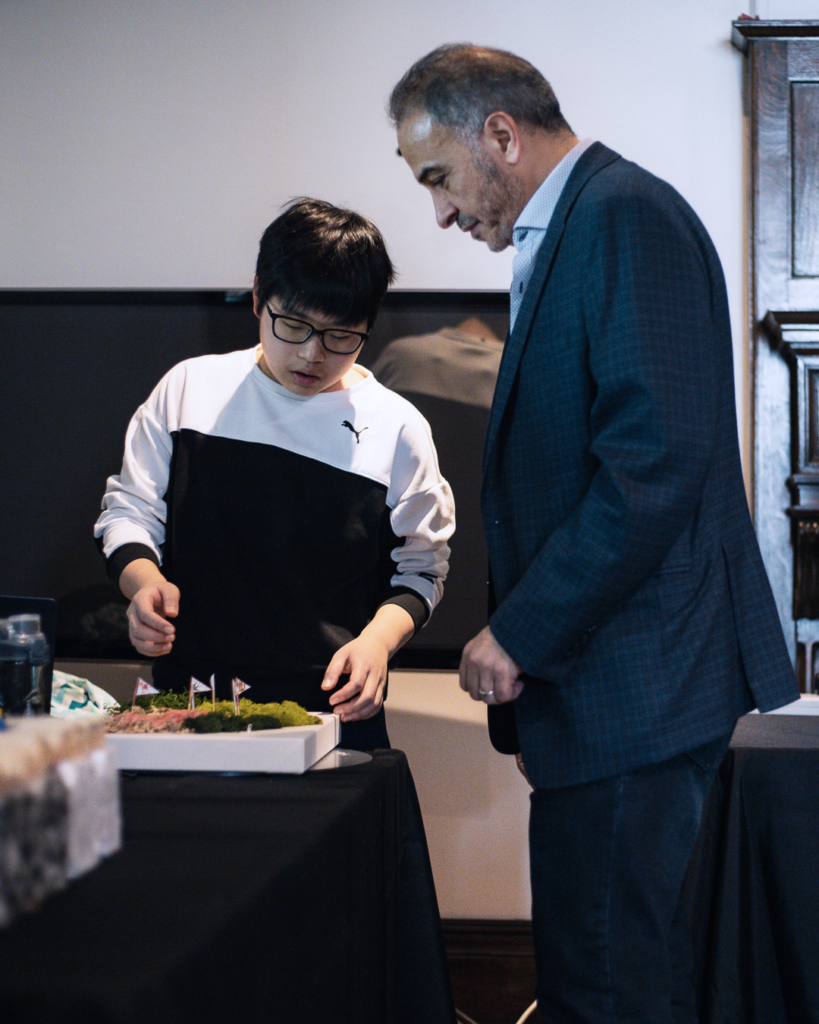
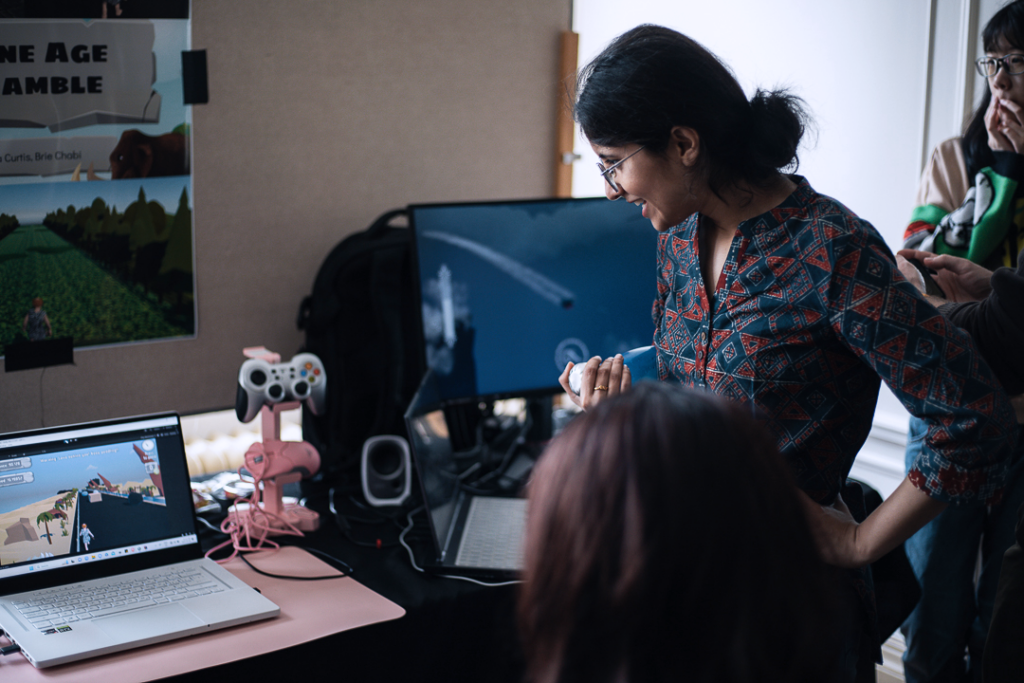
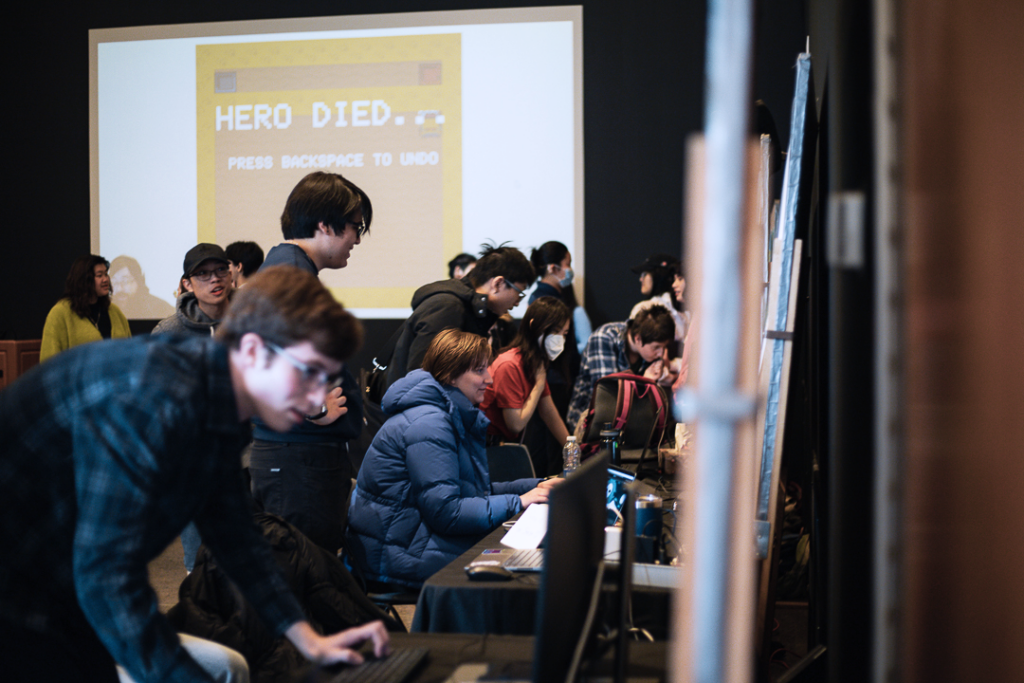
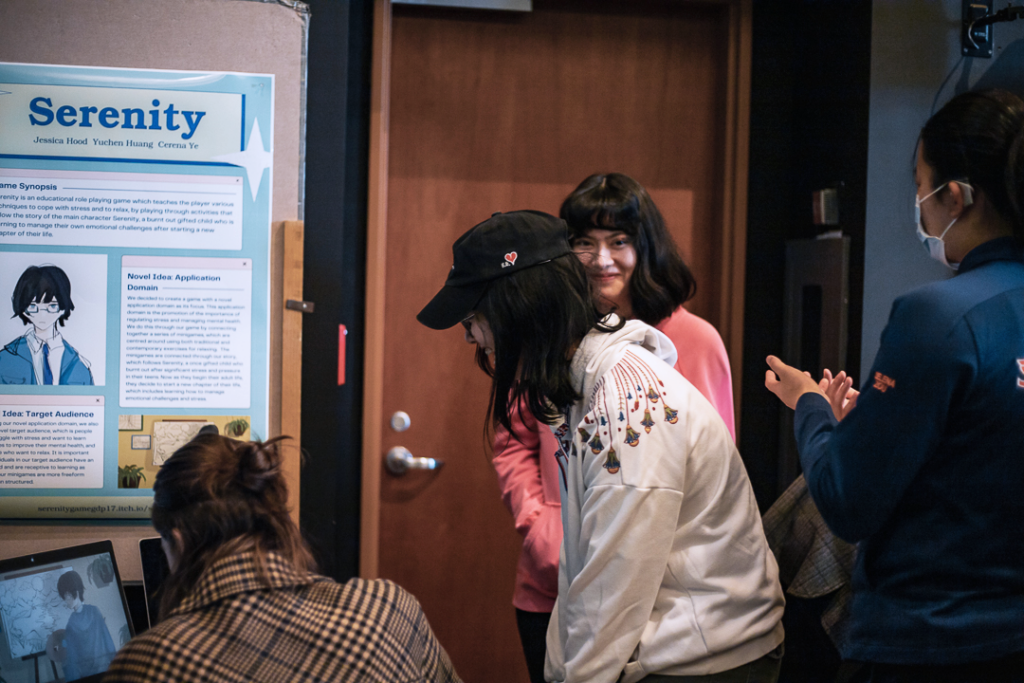
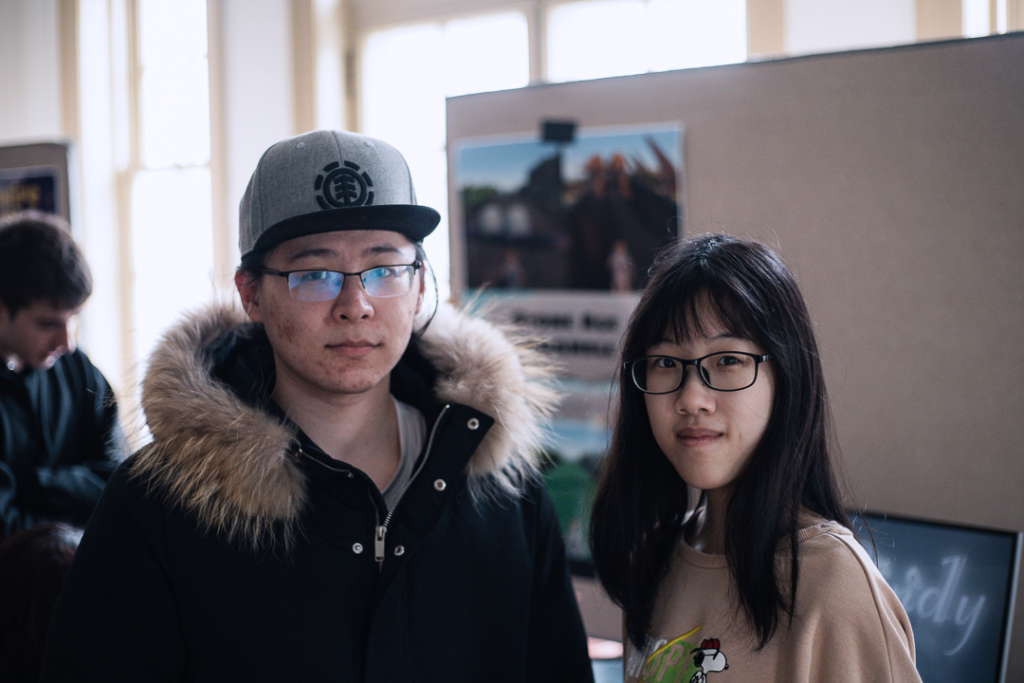
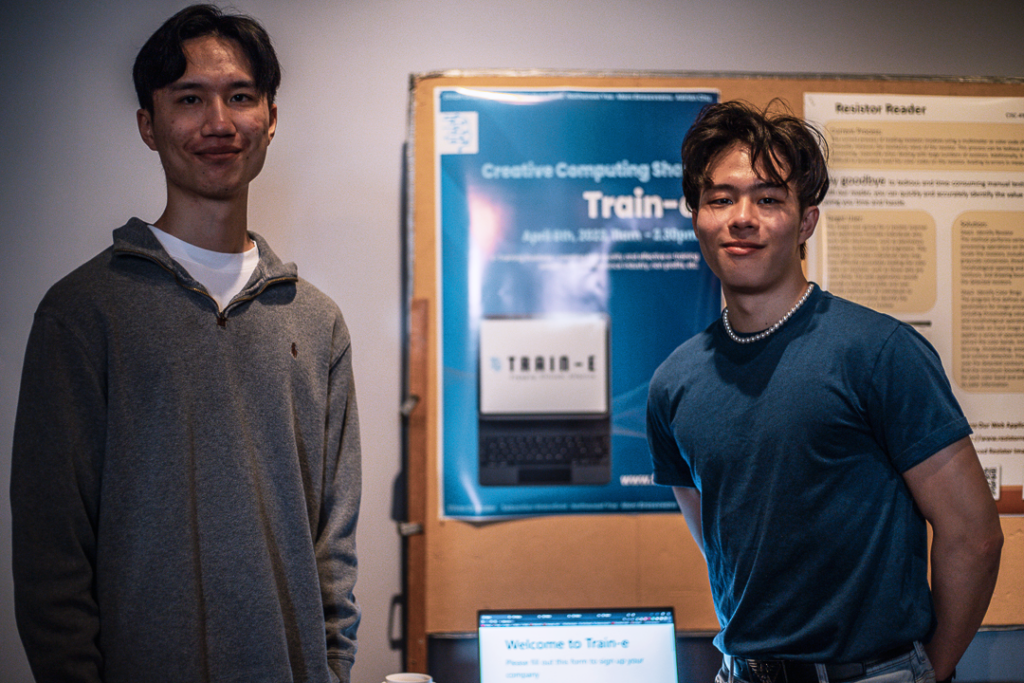
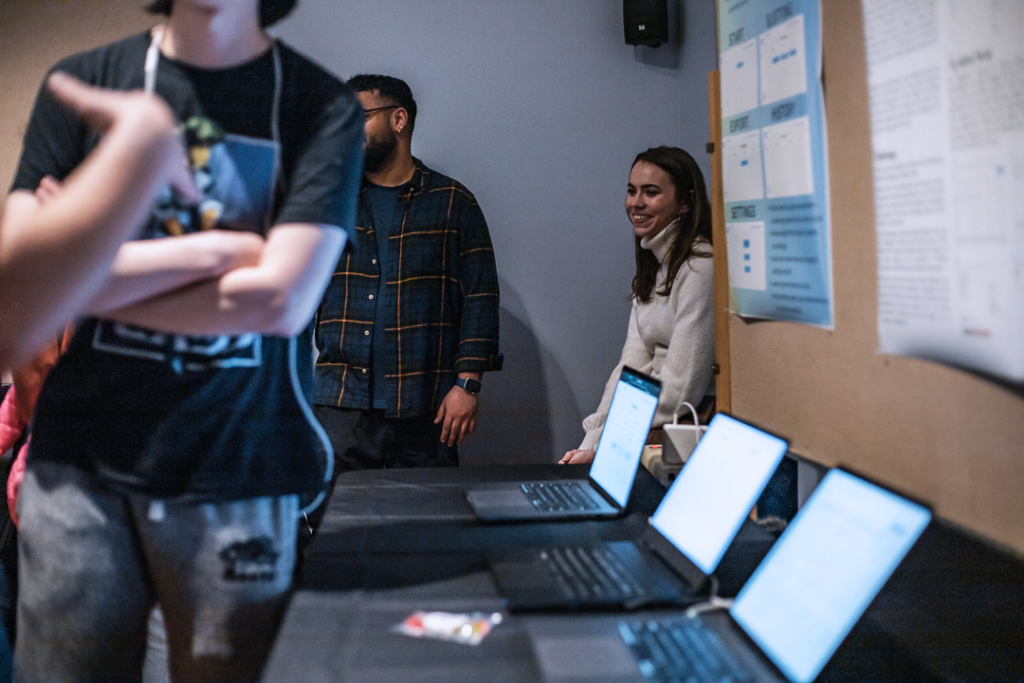
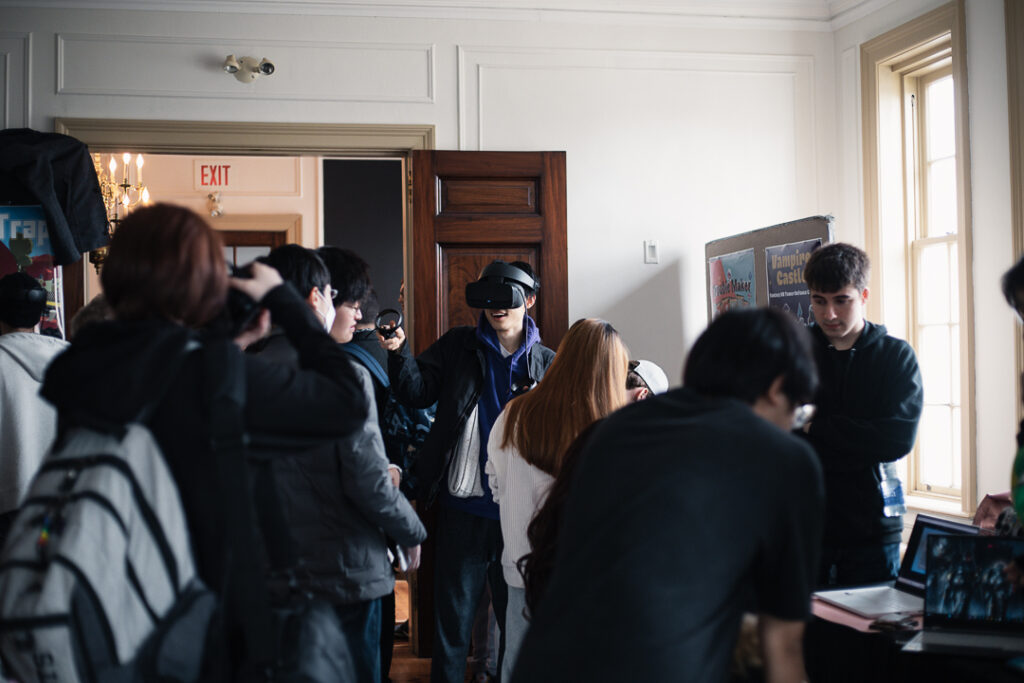
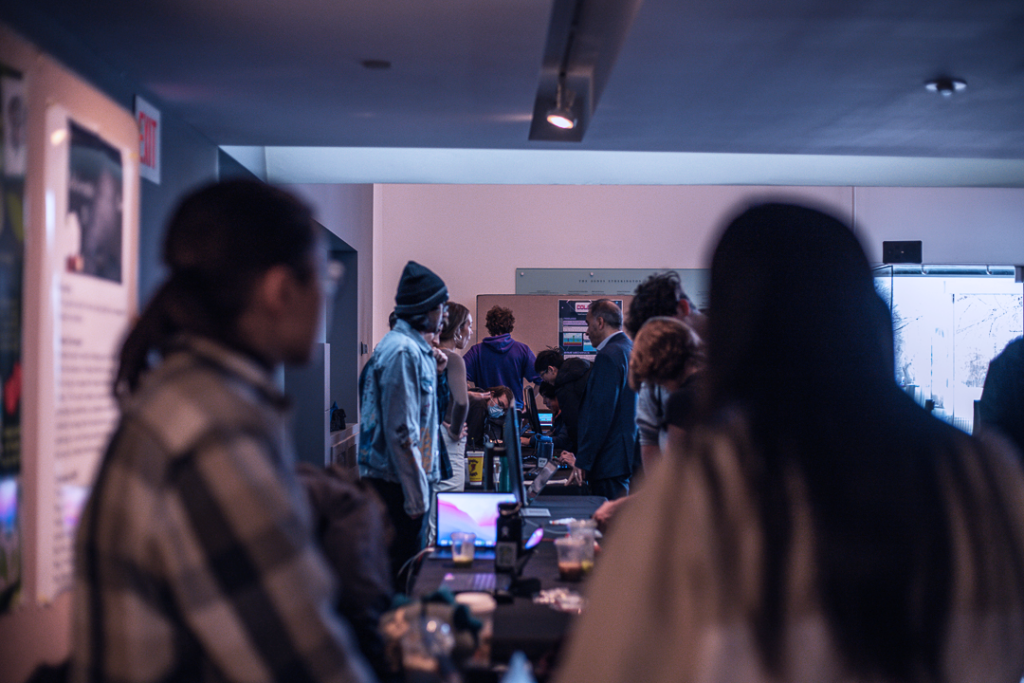
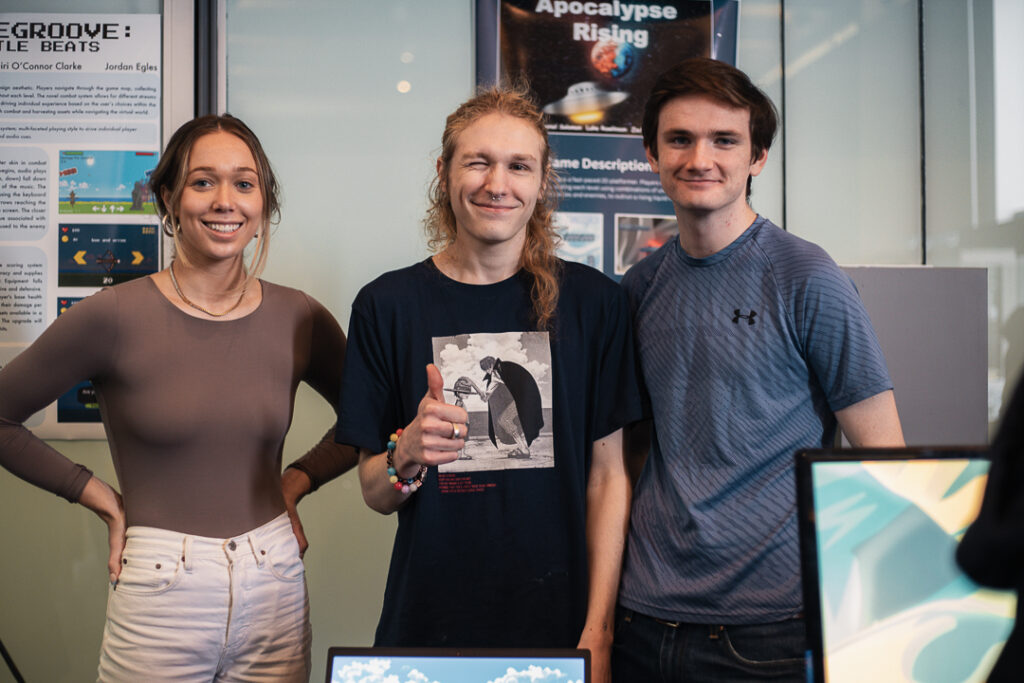
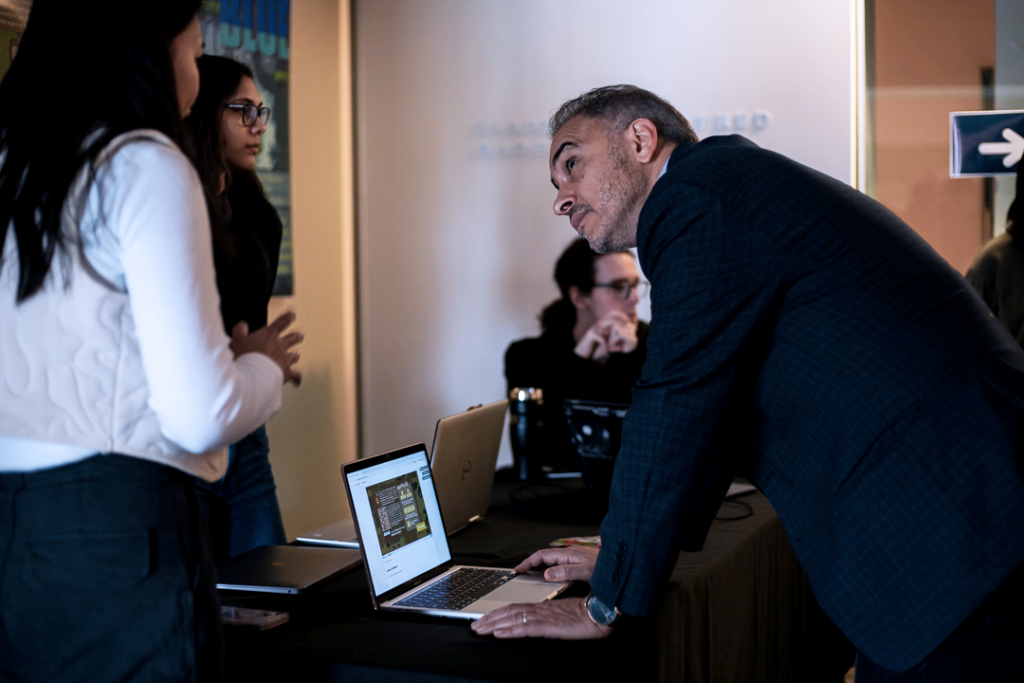
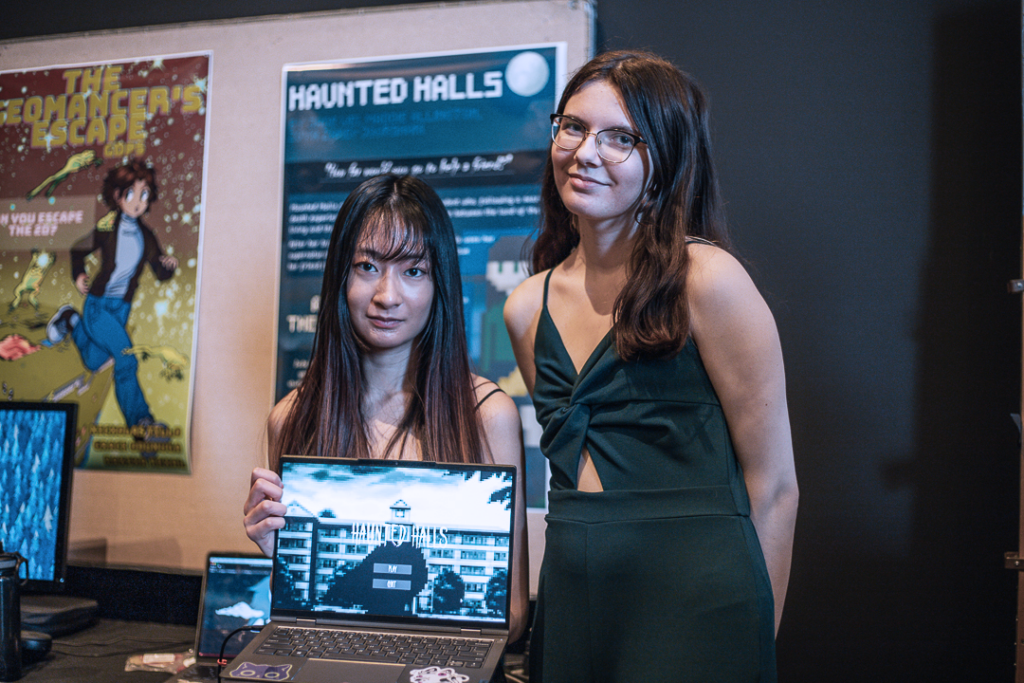
Thank you to all the participants for showcasing the results of your work at our special event.
Your talent and charisma have made this day truly amazing!




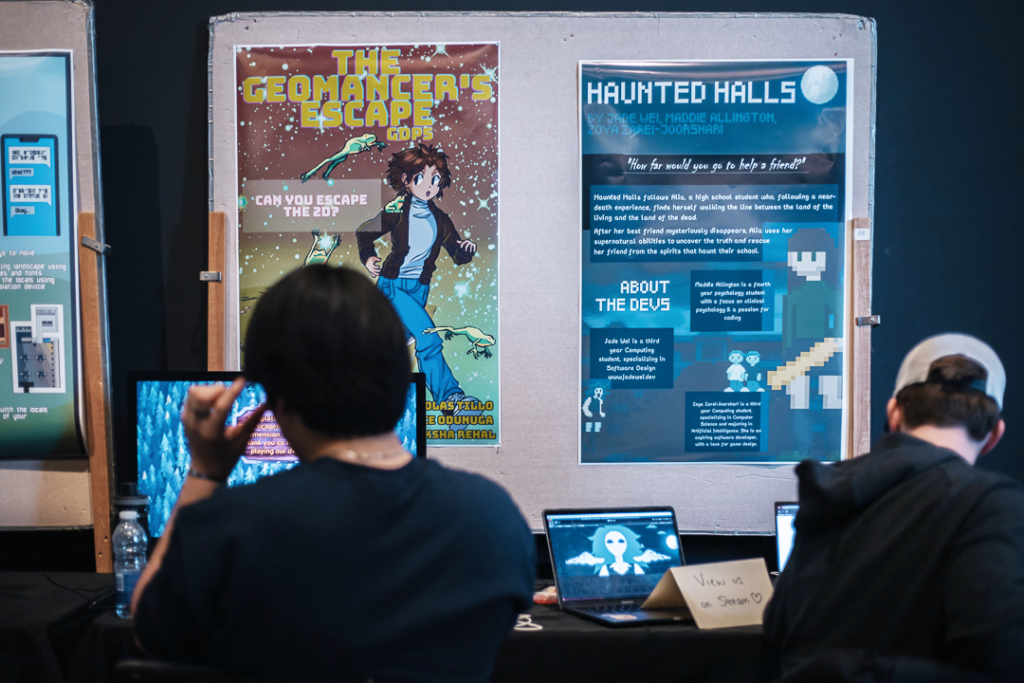
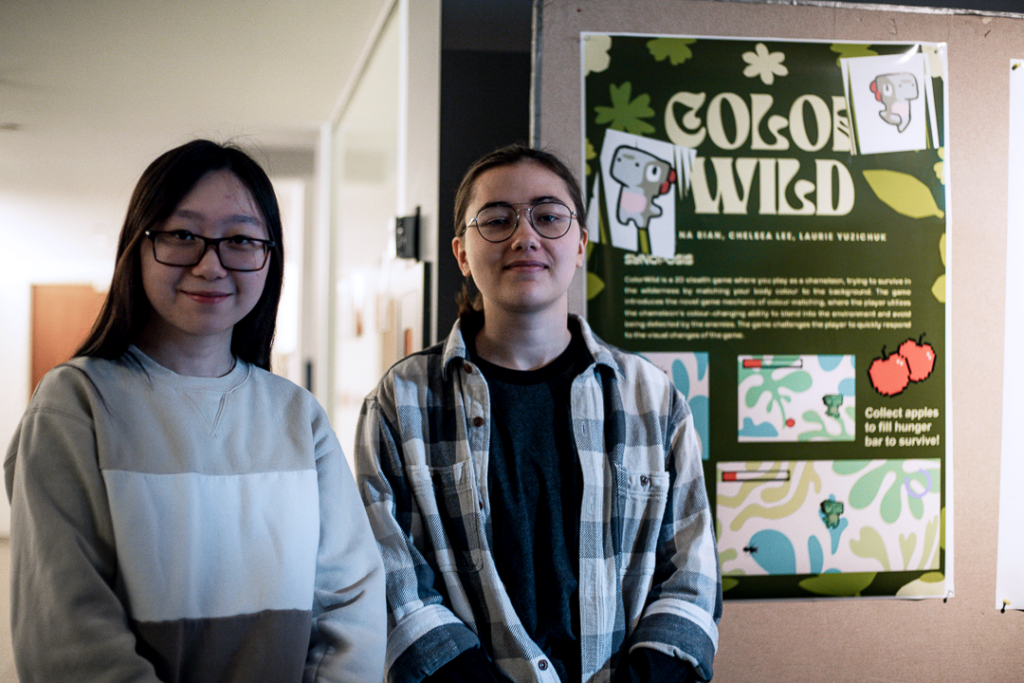
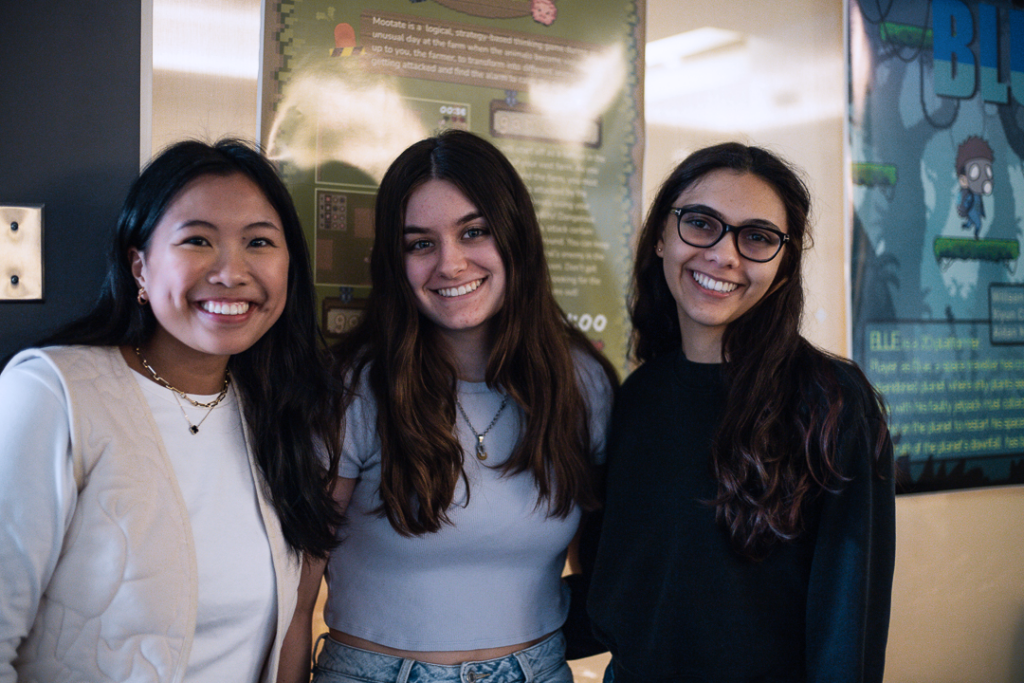

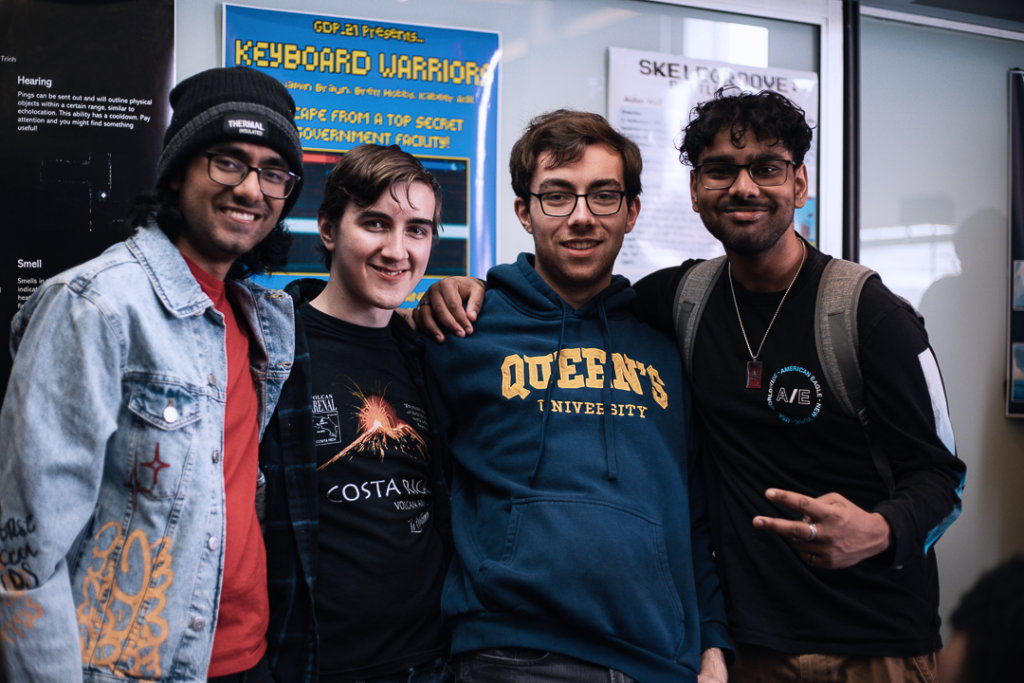




Queen’s School of Computing would like to extend our congratulations to Dr. Farhana Zulkernine and Dr. Parvin Mousavi, who were awarded funding from the New Frontiers in Research Fund – Exploration Stream (NFRF-E)!
The NFRF Exploration stream is one of the three NFRF competitions announced by the Government of Canada in a news release on April 25, 2023. This investment aims to support research teams pushing the boundaries of innovation and cement Canada’s position as a leader in science and innovation.
Dr. Zulkernine and Dr. Mousavi’s successful applications were among nine Queen’s programs that were granted a total of $3 million through the NFRF in this round.
The NFRF Exploration stream supports projects that bring disciplines together to reach beyond traditional disciplinary or common interdisciplinary approaches by research teams. Interdisciplinary research is often risky, but worthwhile, given the potential for significant, groundbreaking impact.
Dr. Farhana Zulkernine is the PI behind the project titled Companion: A Cognitive Voice and Video Assistant Bot for Safe Aging. Her team includes co-applicants from the Department of Psychology and the Baycrest Centre for Geriatric Care. The project includes participation from industry Collaborator Markitech Canada.
The team will work with long-term care facilities to adapt voice assistant bots (e.g., Amazon Alexa) to the needs and preferences of senior citizens.
Dr. Parvin Mousavi is the PI of the project titled Towards Actionable AI in the ICU. The team behind the project includes Dr. Mousavi’s co-PI Dr. David Maslove from Queen’s Departments of Medicine and Critical Care Medicine, and four co-applicants, including QSC’s Dr. Gabor Fichtinger.
With this project, the team aims to improve the management of intensive care unit (ICU) patients across Canada using machine learning methods coupled with large-scale physiologic data.
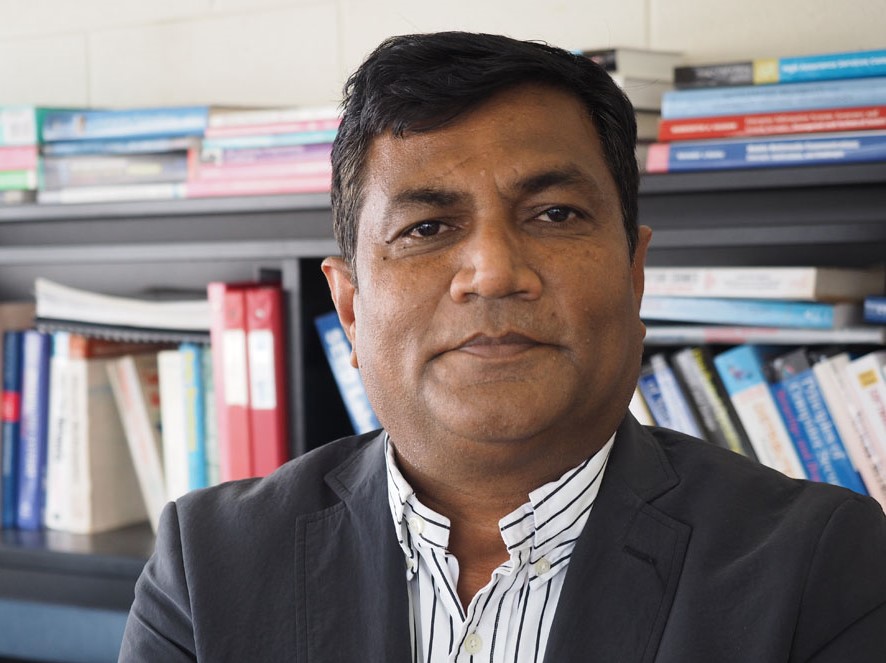
Dr. Mohammad Zulkernine was awarded research funding support as a co-applicant on the Ontario Research Fund – Research Excellent (ORF-RE) project CyPreSS: Software Techniques for the Engineering of Cyber-Physical Systems. The project is led by Dr. Kostas Kontogiannis from Western University, and includes collaborators from the University of Ottawa, the University of Toronto, and York University.
Dr. Zulkernine’s current research team at the Queen’s Reliable Software Technology Laboratory (QRST) Group focuses on building reliable and secure software systems for cloud, connected vehicles, mobile operating systems, and internet of things.
Click on the link to the QRST group website below to learn more about their research projects:

QSC is happy to congratulate Dr. Steven Ding on his recent funding from the Mitacs Accelerate program. This funding will support a graduate student internship with partner Springboard Atlantic Inc.
Dr. Ding and his team at the Artificial Intelligence and Security Lab (L1NNA) focus on both the research and the development aspects of cybersecurity systems. Their research portfolio bridges the area of machine learning, data mining, artificial intelligence and cybersecurity.
Visit the L1NNA website to learn more.
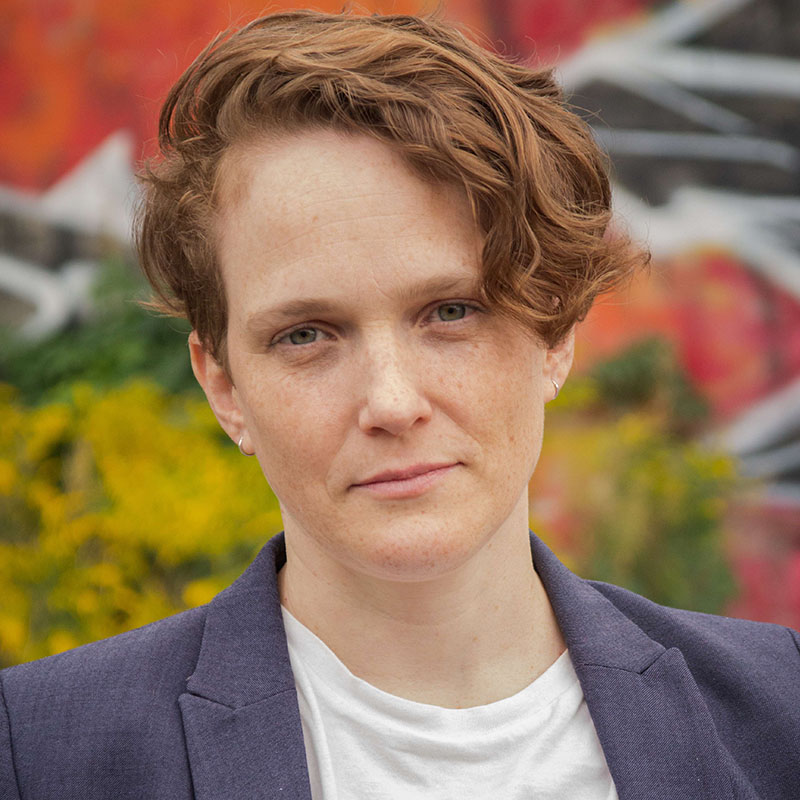
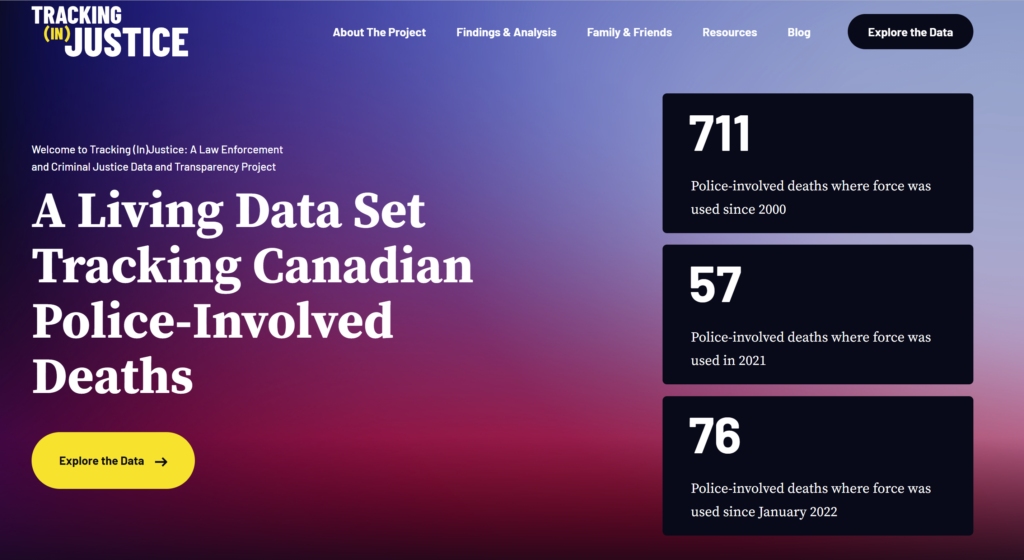
Dr. Catherine Stinson and their research team at the Ethics and Technology Lab were involved in building the website for the Tracking (In)Justice portal, launched in the end of February. Tracking (In)Justice is an accessible online database tracking police-involved deaths in Canada. Based on publicly available sources including government reports and reliable Canadian media sources, the database includes information on date, location, police service, level of force used, and when known, age, race, and gender of the victims.
This collaborative project involves many organizations, such as the Canadian Civil Liberties Association (CCLA), Carleton University, University of Toronto, Women’s Health in Women’s Hands Community Health Centre, JusticeTrans and Aboriginal Legal Services and many more.
You can access the full list of collaborators and more information on the database on the portal website www.trackinginjustice.ca