This Monday David Skillicorn appeared on CKOM Radio to speak about the prevalence of spyware, how it works, and how often is it used.
Dr. Fichtinger Receives Mitacs Globalinks Funding
We at the School of Computing are happy to congratulate Dr. Gabor Fichtinger on recent funding from the Mitacs Globalink program in support of two international trainee internships:
- Globalink project Real-time electromagnetic navigation of oral cancer resection supports a visiting trainee to Dr. Fichtinger’s lab from Hungary
- Globalink project SlicerAR: software platform for augmented reality medical visualization supports a visiting trainee to Dr. Fichtinger’s lab from Spain
Learn more about the leading-edge work done by Dr. Fichtinger, Canada Research Chair in Computer-Integrated Surgery, and his team at the Laboratory for Percutaneous Surgery (Perk Lab)
Dr. Yuan Tian Receives Mitacs Accelerate Funding
The School of Computing is pleased to congratulate Dr. Yuan Tian on receipt of funding from Mitacs Accelerate for her project Learning Personal Traits, Value, Skill Representations for Improved Matching of Jobs, Talent, and Courses, in collaboration with industry partner FutureCite Inc.
Go to Dr. Tian’s website to learn more about exciting work being done at the Reliable and Intelligent Software Engineering (RISE) lab.
Getting Ready for Orientation 2022!
First year orientation is an exciting rite of passage for every post-secondary student starting a new chapter of life. It is with great excitement that this year’s cohort of incoming first year students will experience an in-person Orientation that is a combination of old and new traditions. While navigating the effects of the pandemic over the past two years, it has been a challenge to maintain the true form of those practices. Even still, the Orientation Committee did their best to provide a virtual experience that evoked the spirit of the celebration. From delivering tams by mail to hosting virtual game nights, Orientation has remained the cornerstone of the overall student experience.
The Queen’s School of Computing Orientation Committee has been working hard to give incoming first years an event to remember.
“Our goal is to bring back all of those [fun activities in person] as much as we can,” says Truman Be, Chair of the Orientation Committee and member of the last class to have experienced an in-person gathering. Truman emphasized that incoming students uniting at the Orientation helps them easily make new friends while in a fun casual environment, experience connection to their community, and at the end of the day feel comfortable at Queen’s University and Kingston’s surrounding area.
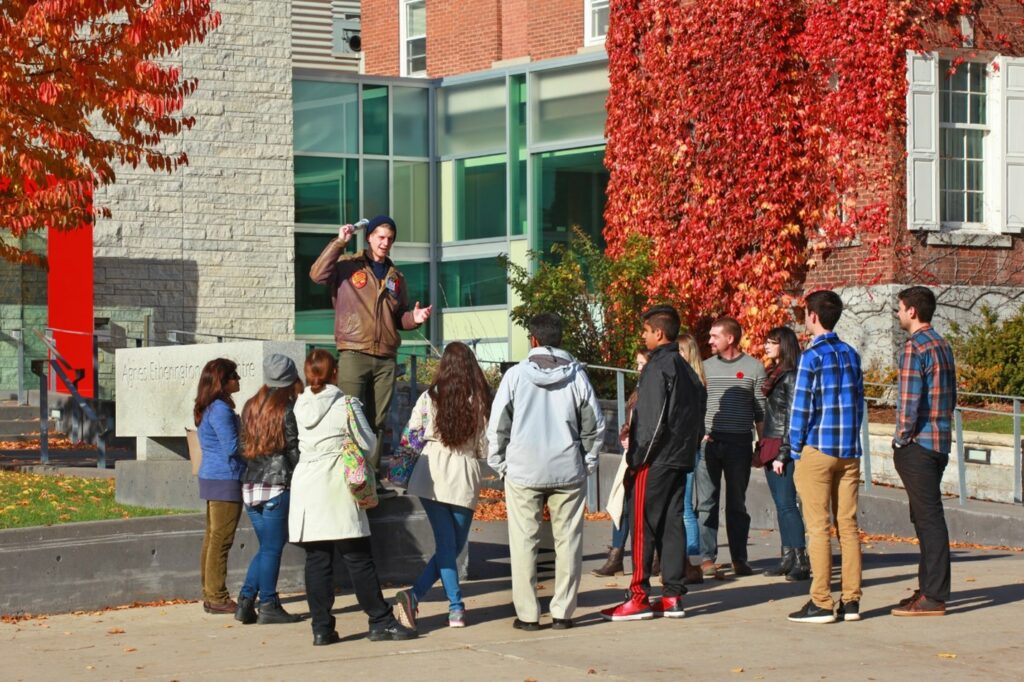
Activities include the tamming ceremony, the COMPSA Cup Competition, and reciting traditional cheers.
QUEEN’S WHAT?
QUEEN’S COMPUTING!
COMPUTING WHAT?
COMPUTING CODES!
CODES WHAT?
CODES QUEEN’S!
Yes yes, yes we do, we got spirit, how ’bout you?
Yes, yes, yes we do, we got spirit, how ’bout you?
(Everyone starts chanting) WE GOT MORE!
It is possible to chant the cheers on a Zoom or Teams screen, but it’s not as fun and loses the vibe.
PING! (Randomly yell until someone yells…)
“System Error”
This year’s Orientation will be special since the students will be bringing back and keeping School of Computing culture alive. The stakes are high to revive knowledge and experiences passed down from many generations of students. “If we don’t … [nothing] will remain from before,” says Truman.
In addition to receiving years of passed down traditions, incoming students can expect some new and exciting activities. The Orientation Committee is planning to host an event at the Xtreme Trampoline Park and a formal evening event at the Four Points by Sheraton. Virtual game nights will be made available to students who can’t be at events in person or need a break from the in-person activities.
With all the excitement that goes on during Orientation, it’s easy to forget the academic side of university life. Program selection is an integral part of the Queen’s School of Computing student experience, and this year the process will be much more engaging with a speed-dating style event. Professors will be available at tables to provide details about the different programs that are available to Computing students. Students who attend this event can rotate to different tables and learn about each program in a fun relaxed style.
Orientation welcomes and introduces first-year students in an easy-going, comfortable setting that is designed to be enjoyable as well as financially accessible. Your donation will help nervous students comfortably join Queen’s School of Computing by supporting Orientation activities for all our first year students.
We encourage you to learn more about Queen’s School of Computing’s Orientation and the hard work that is put into this essential event. The Queen’s School of Computing community cannot wait to meet this year’s incoming first year students!
Queen’s School of Computing Celebrates the Classes of 2020, 2021, and 2022
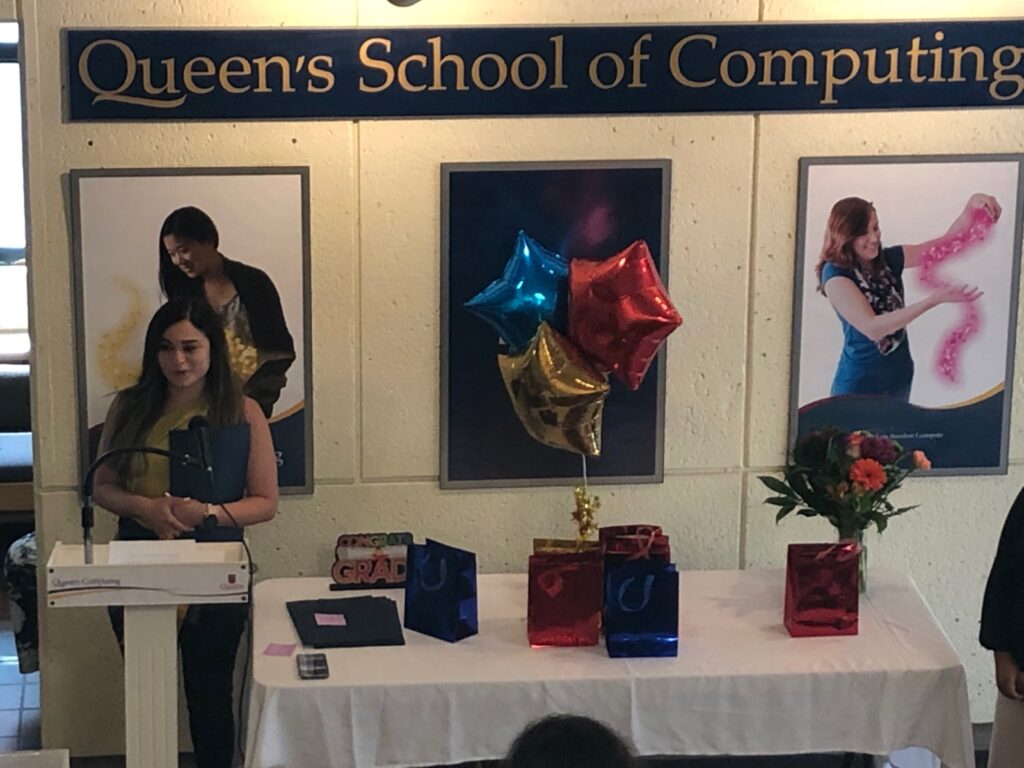
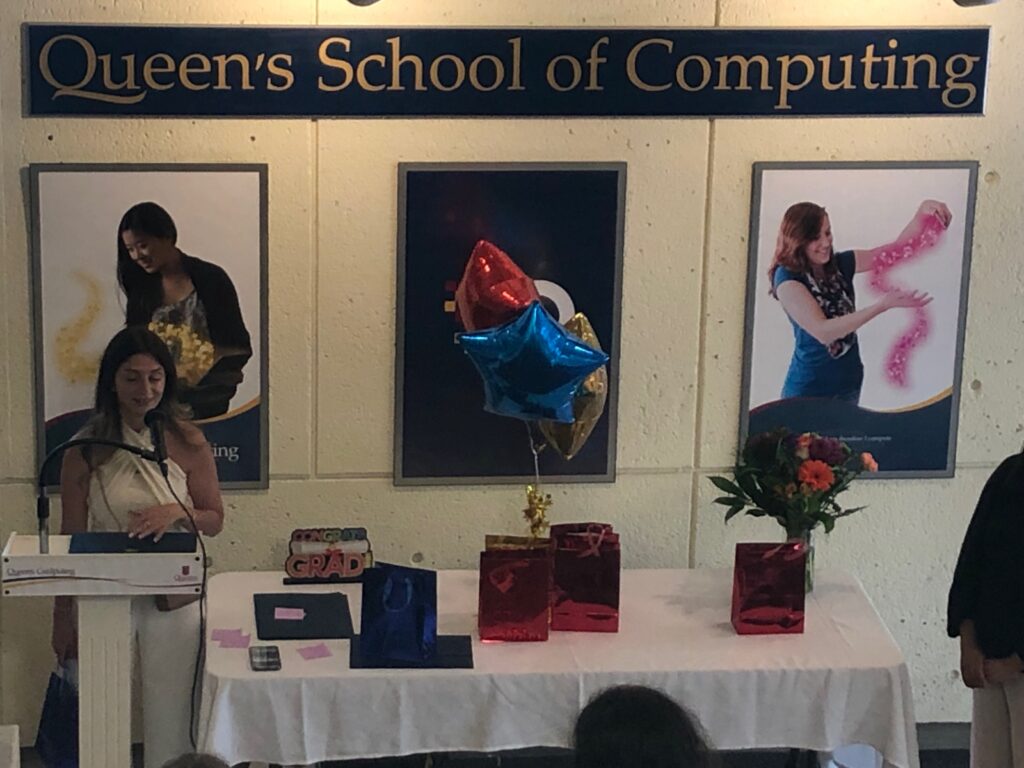
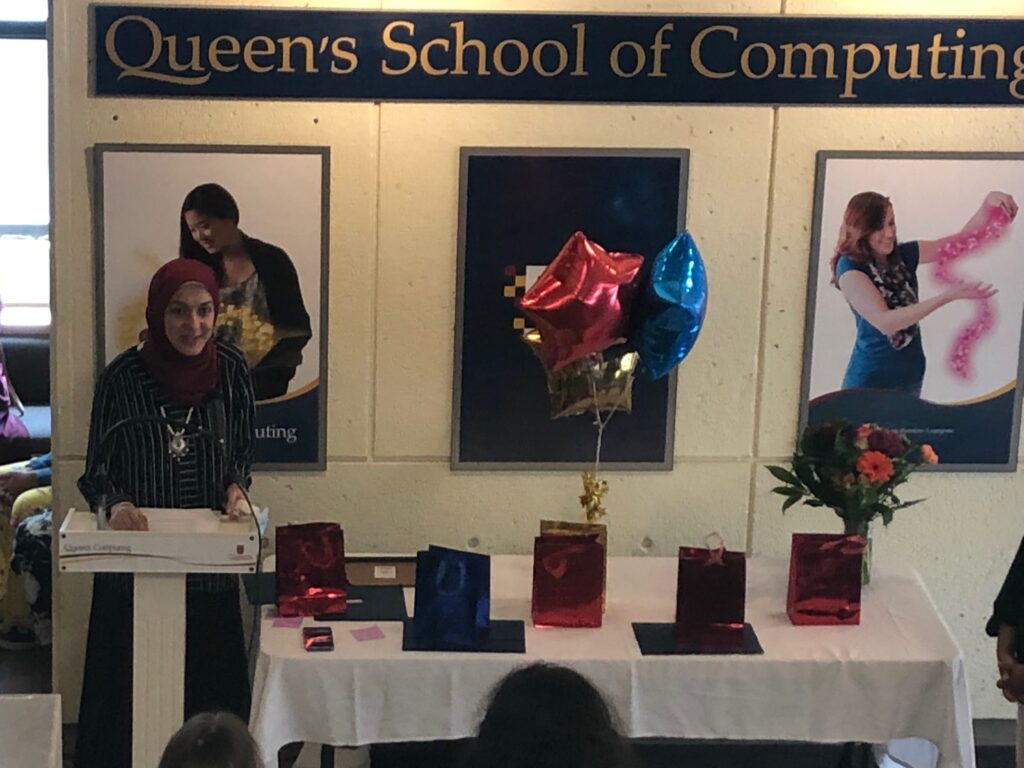
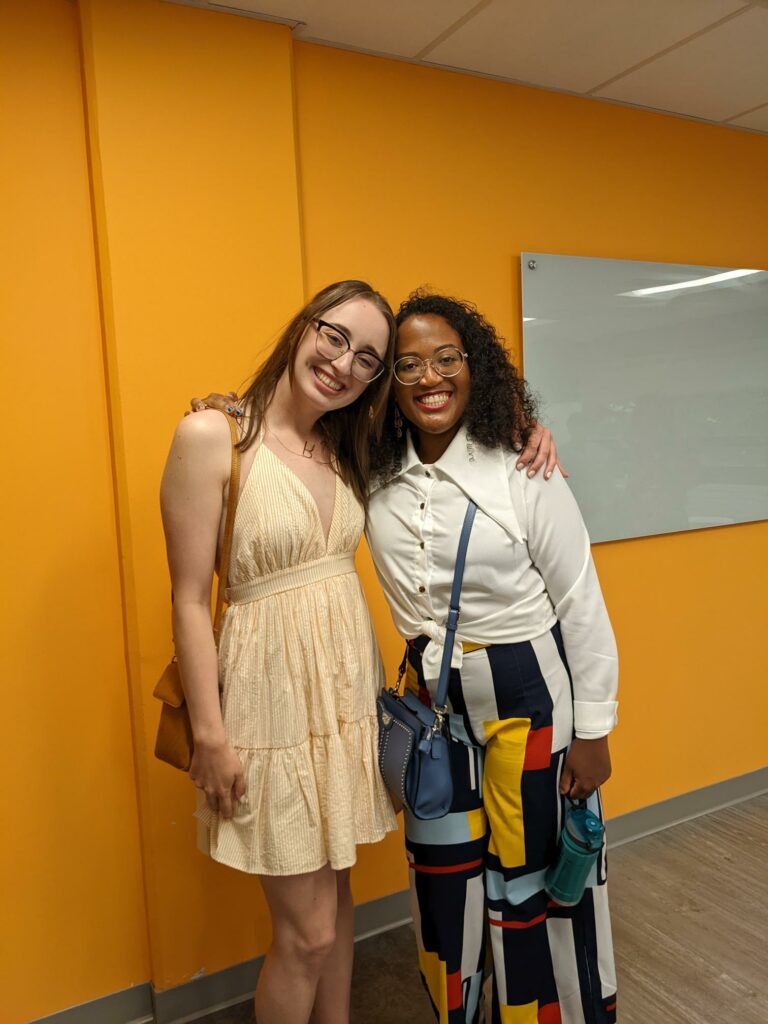
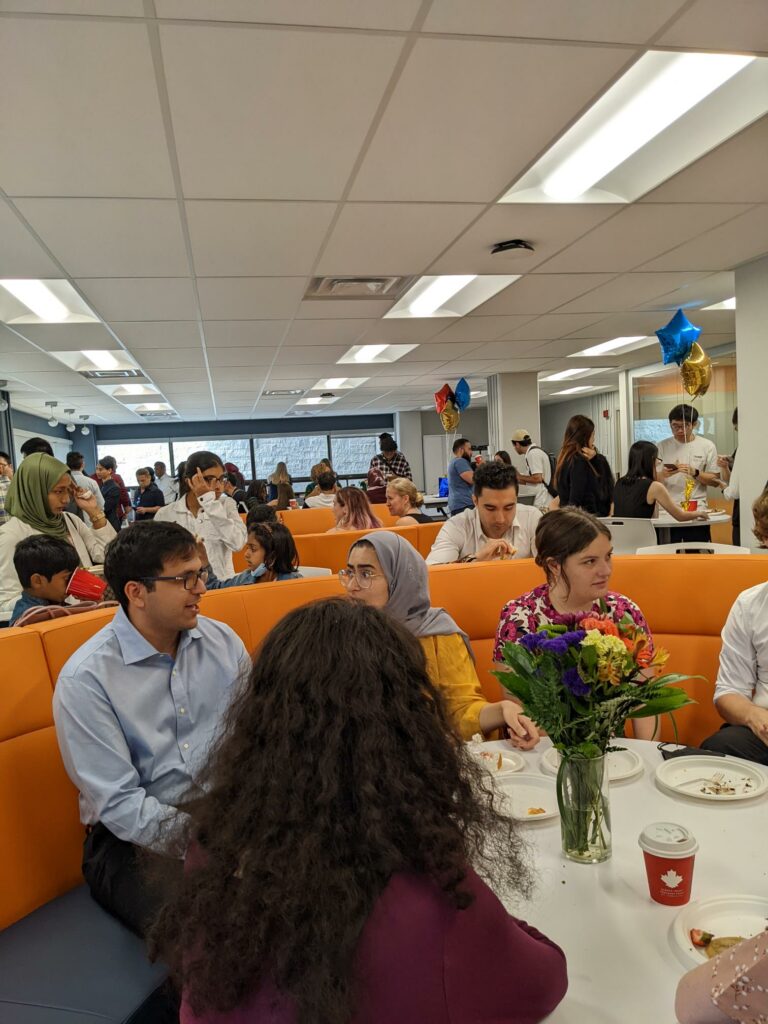
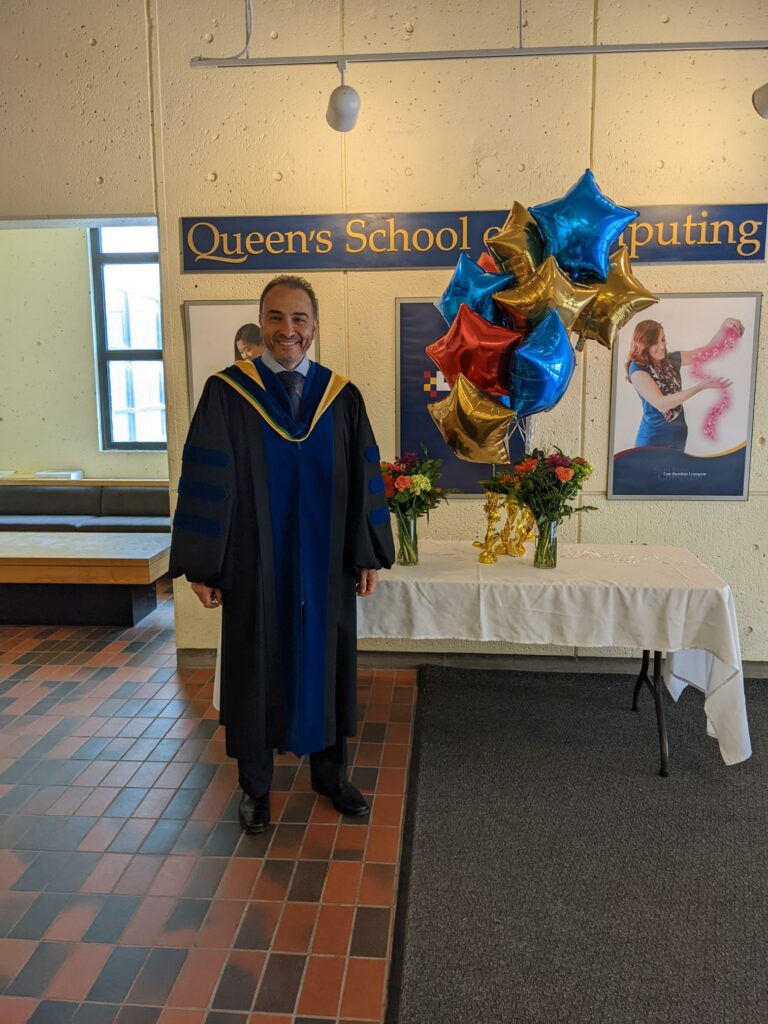
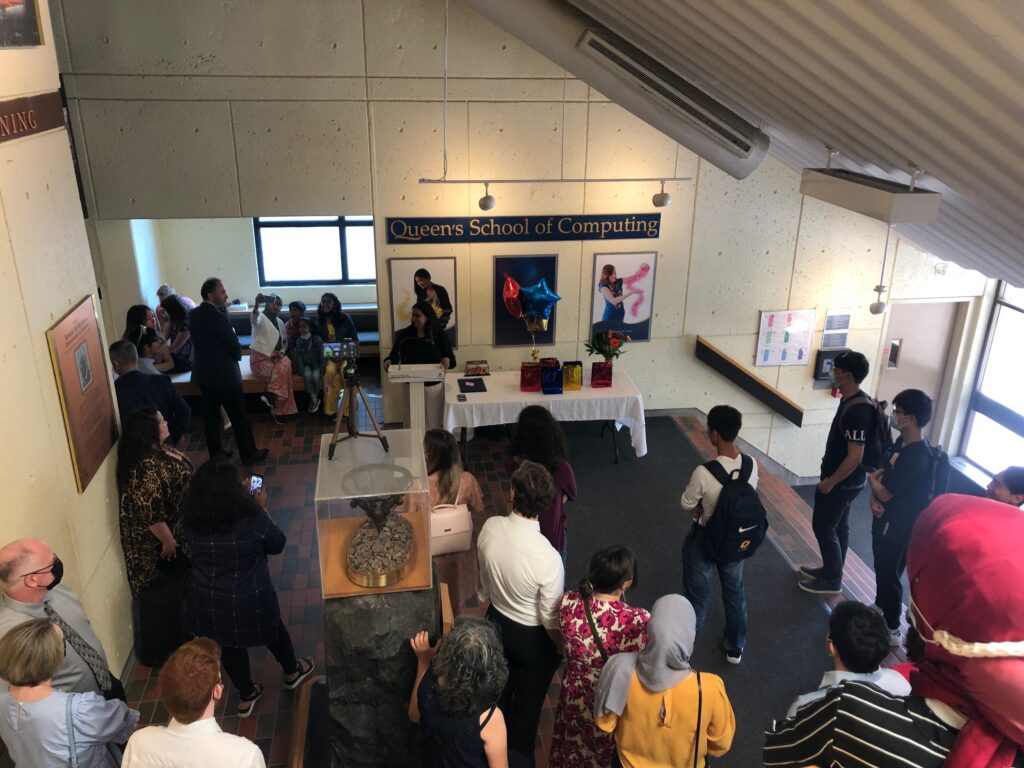
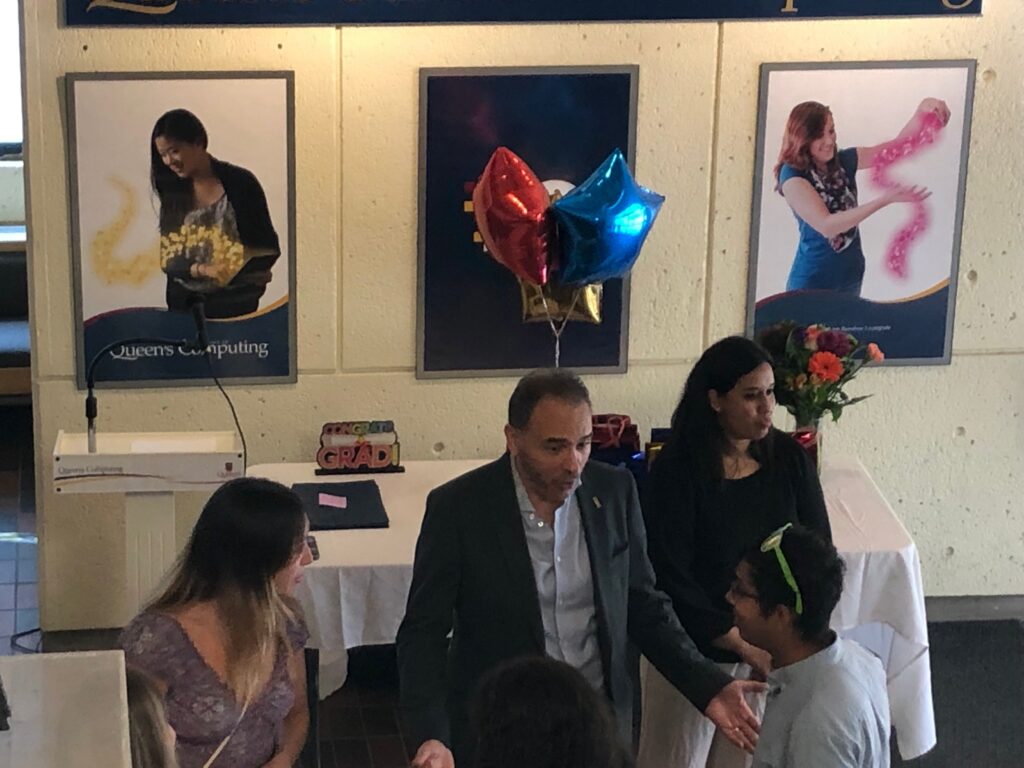
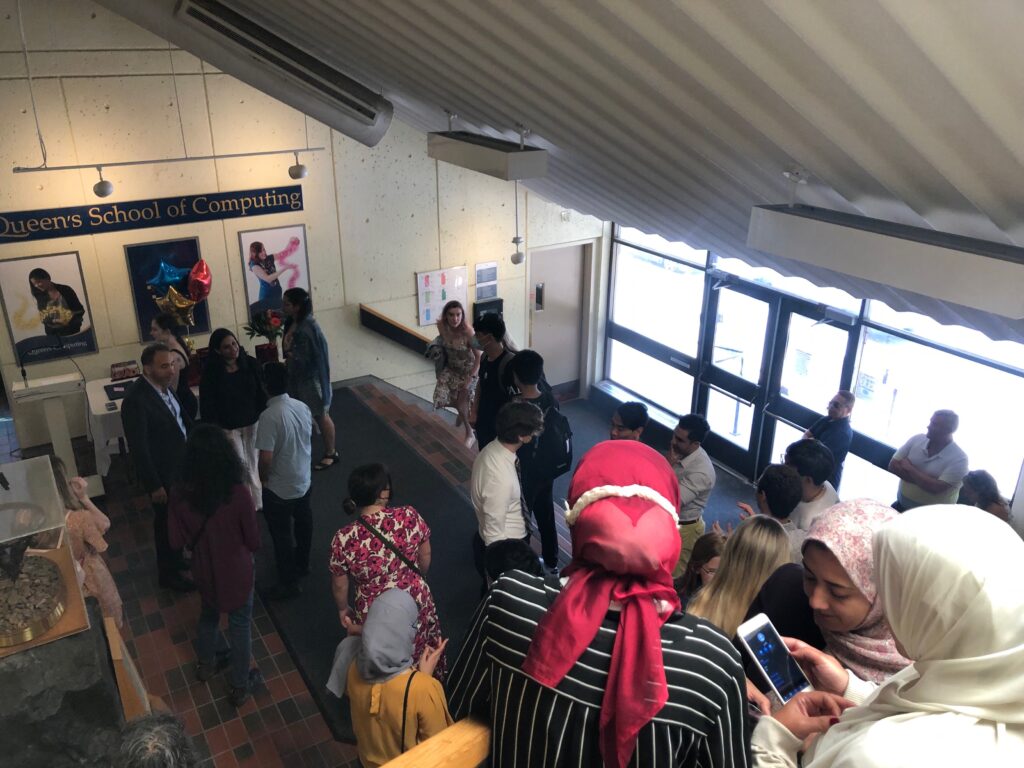
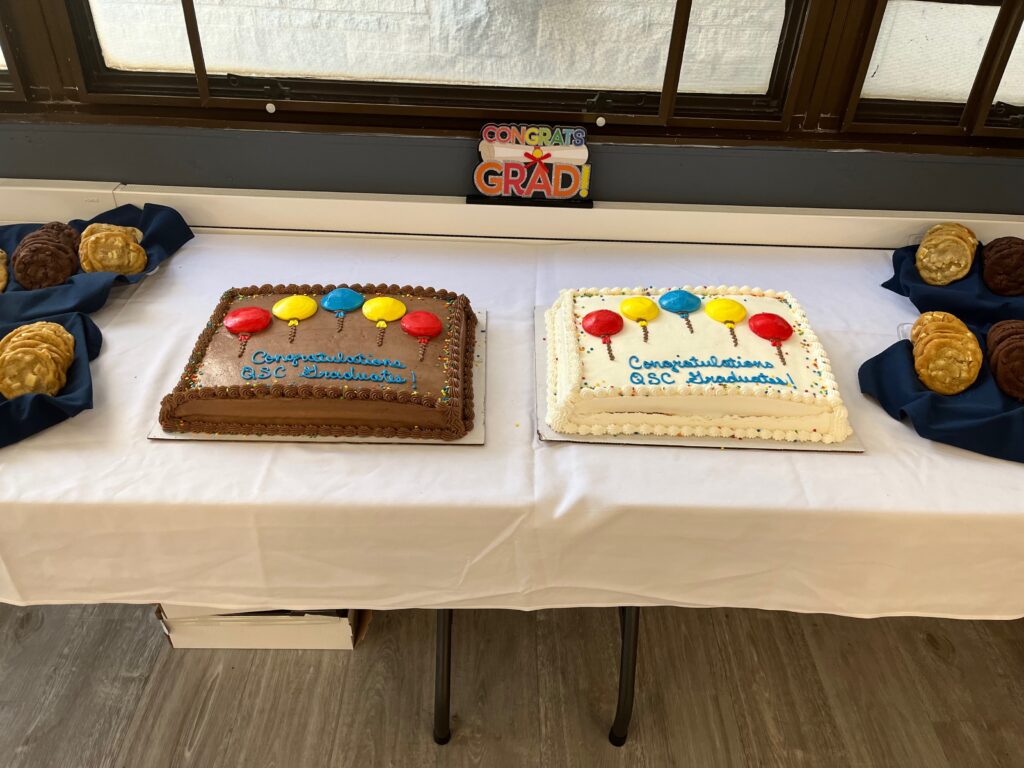
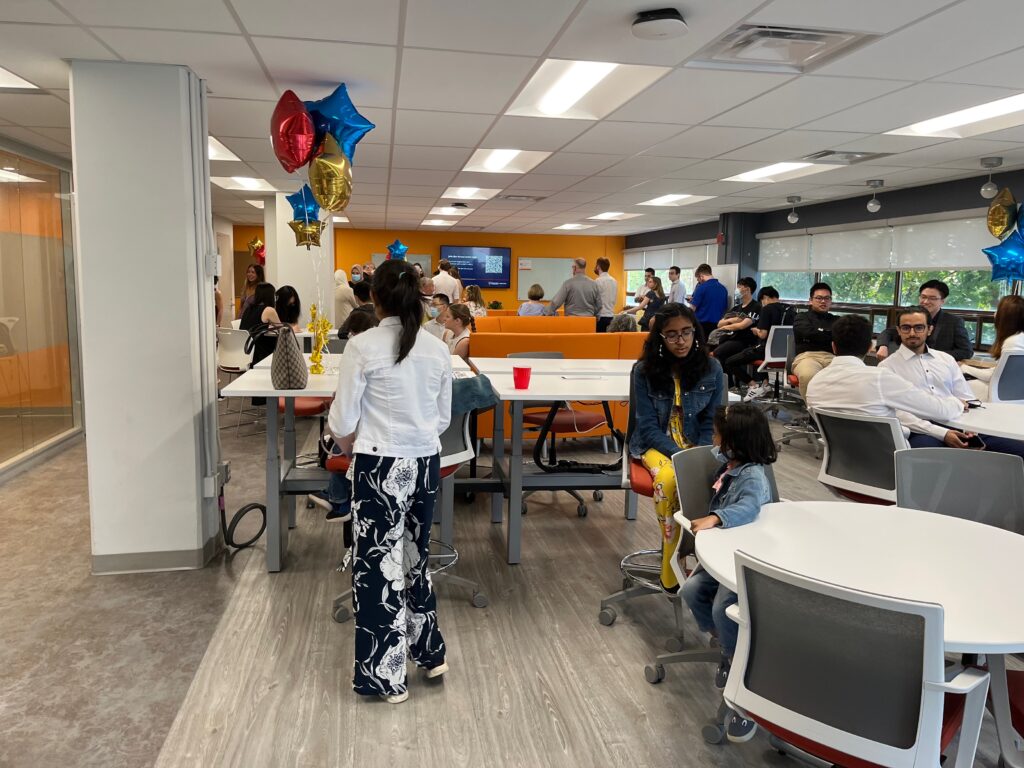
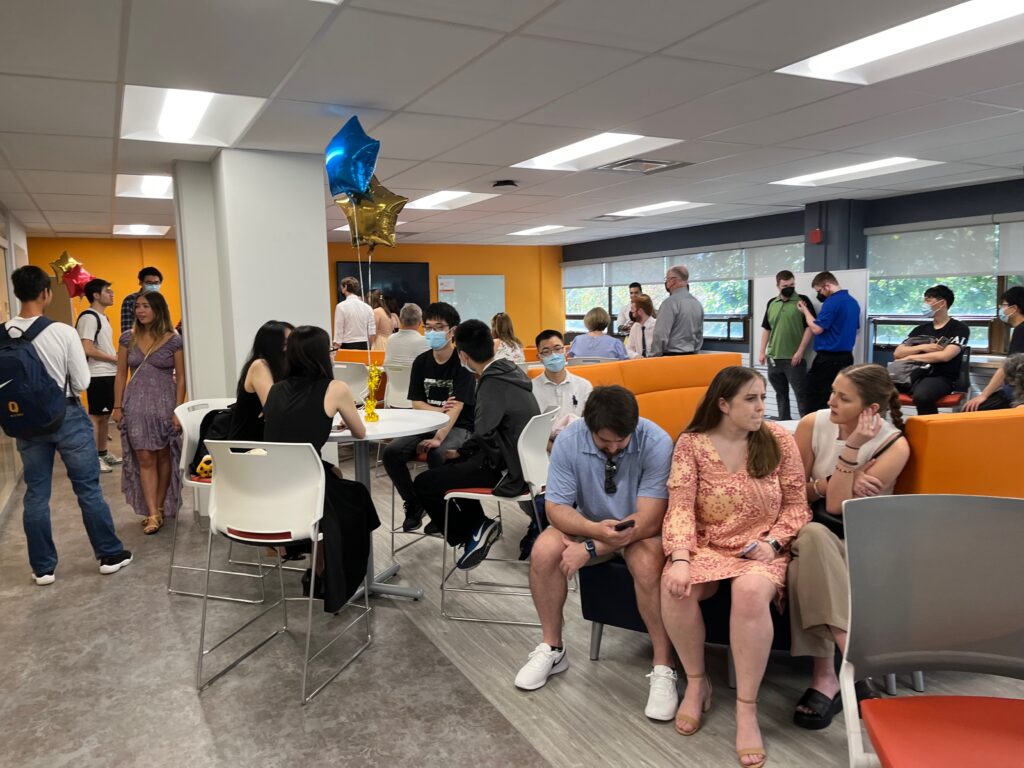
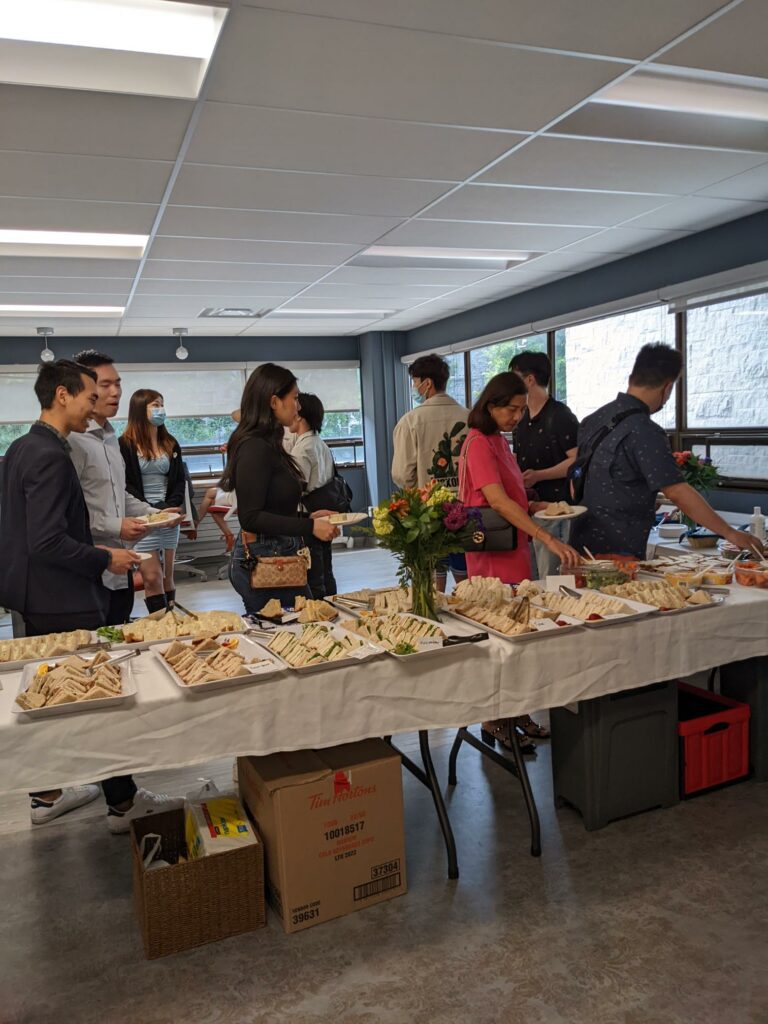
On June, 22nd, 2022 Goodwin Hall was filled with life once again as the Queen’s School of Computing hosted its convocation reception for the classes of 2020, 2021, and 2022.
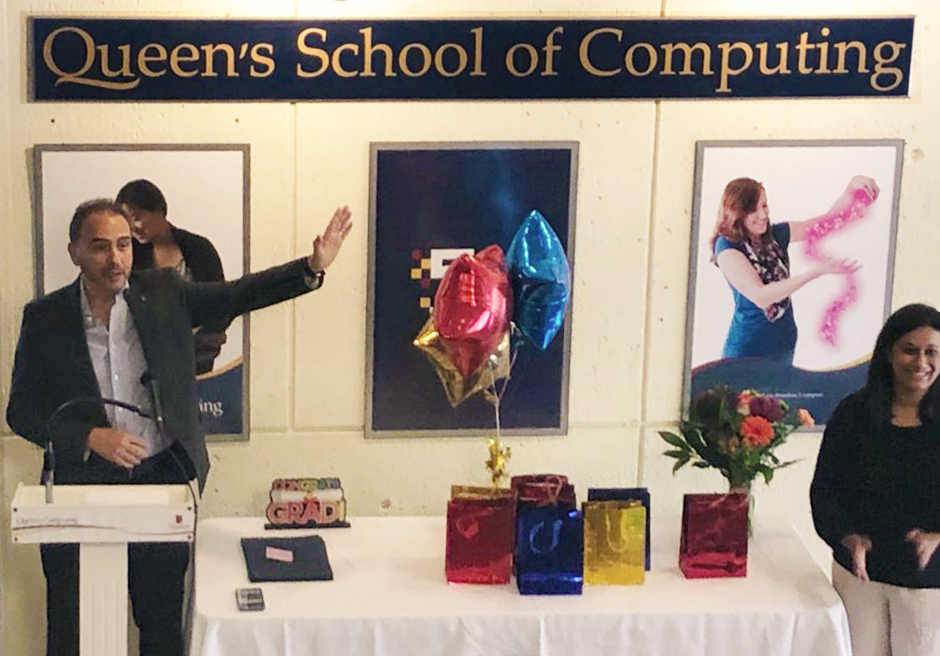
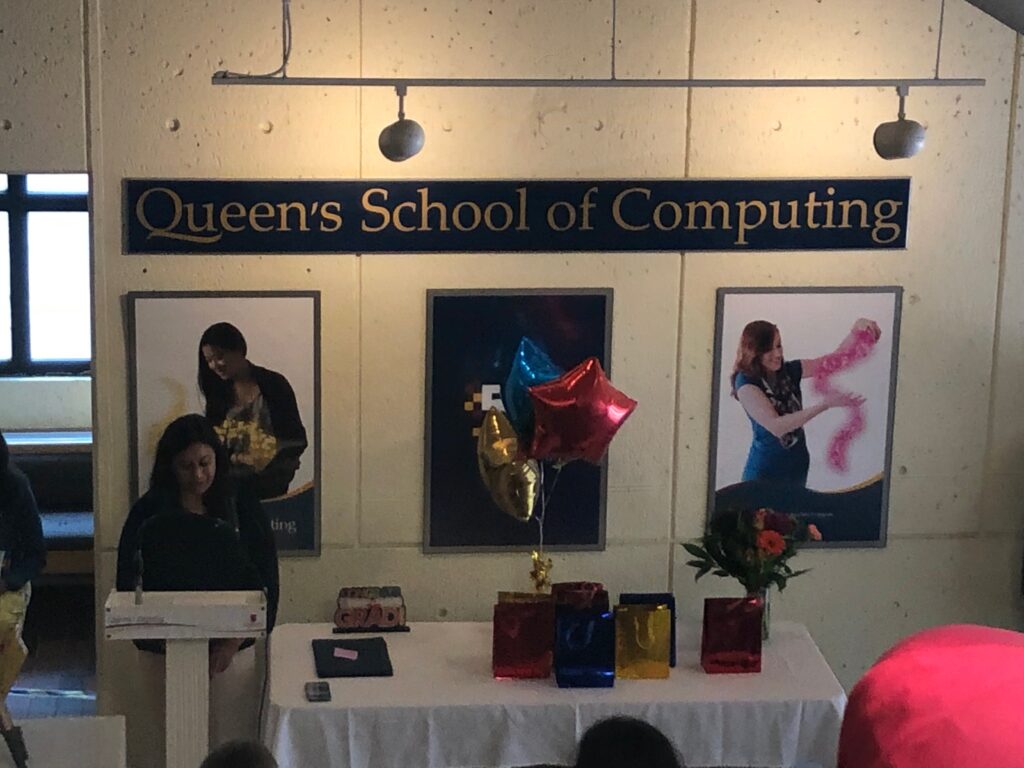
As per tradition, the event is held in the foyer of Goodwin Hall. Since this event was celebrating three years of graduates it was important to ensure there was sufficient space, decorations, and of course, cake! The newly renovated Commons was the perfect venue.
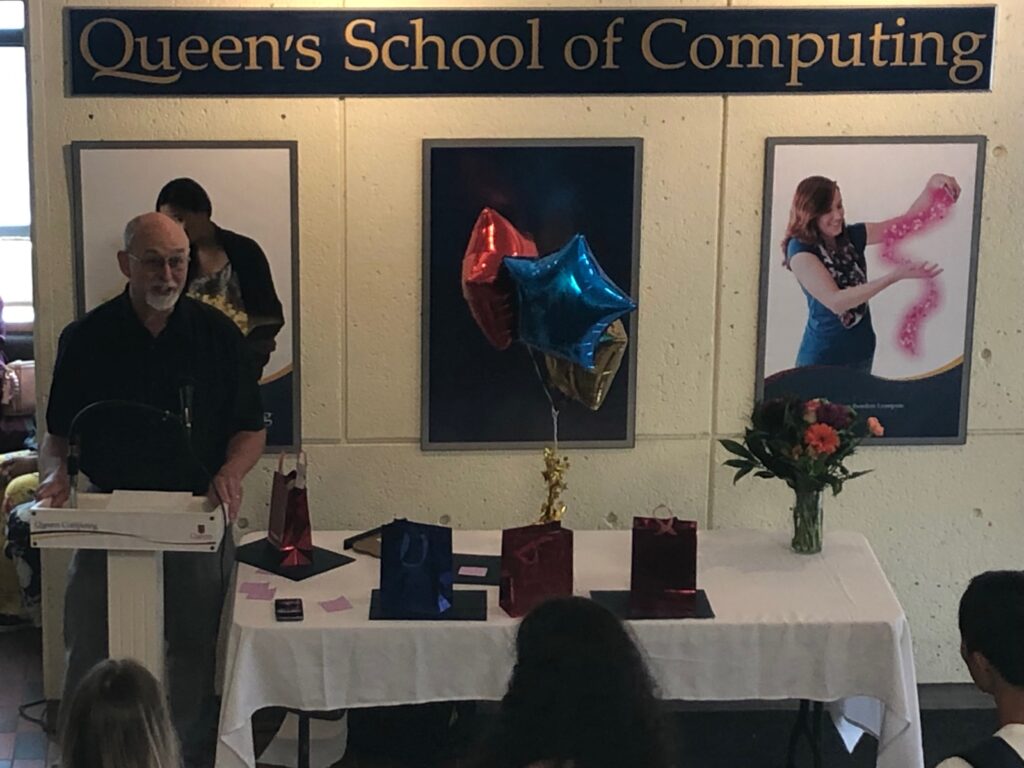
It wouldn’t be a convocation reception at the Queen’s School of Computing without an awards ceremony. Congratulations to all the 2022 School of Computing Award winners:
The School of Computing Research Award: Tamas Ungi
Distinguished Service Award: Laurie Truman
PhD Research Achievement Award: Lama Moukahal
Ian A. Macleod Award: Maram Assi
Excellence in Teaching Assistance Award: Hebatalla Ouda
MSc distinguished thesis award: Alice Santilli
Distinguished Student Award: Sanindie Silva
Howard Stavely Teaching Award: Robin Dawes
Although this event was in person, guests and their family and friends were also invited to attend virtually while the awards ceremony livestreamed on Microsoft Teams and Facebook Live. The virtual stream provided loved ones who were unable to join in person with the opportunity to celebrate their accomplishments together. The ceremony is available to watch on our YouTube channel for those who were unable to attend.
Two long years of social distancing made this gathering all the sweeter! The faculty and staff have watched graduands preserve through challenging times and it was an absolute joy to share this celebration with the graduands and their families. The convocation reception is a tradition that will continue to evolve at the Queen’s School of Computing for many years to come. Here are a few statements from the members of the department who were present at this event.
“It was an amazing event probably one of the best ones ever – especially having been in the new Commons room.” – Karen Knight, Undergraduate Program Assistant
“This was our first time hosting a hybrid event of any kind. The tech team worked together to brainstorm and execute a plan to connect the in-person event with a meeting on Microsoft Teams in a short amount of time, debugging it on the fly. Feedback was positive with friends and family from across the world able to watch and connect with the graduates at the event. We look forward to iterating and improving on the set up for future events.” – Doug Martin, Systems Specialist
“Celebrating all our graduating classes together was inspirational for the entire staff team. It helps bring meaning to our day-to-day work when we can take the opportunity to cheer for all our hard-working graduands. You did it! We are so proud of you all!” – Robin Tippett, School Manager
Congratulations to the classes of 2020, 2021, and 2022! We’re so proud of your accomplishments and wish you all the very best in your bright futures ahead!
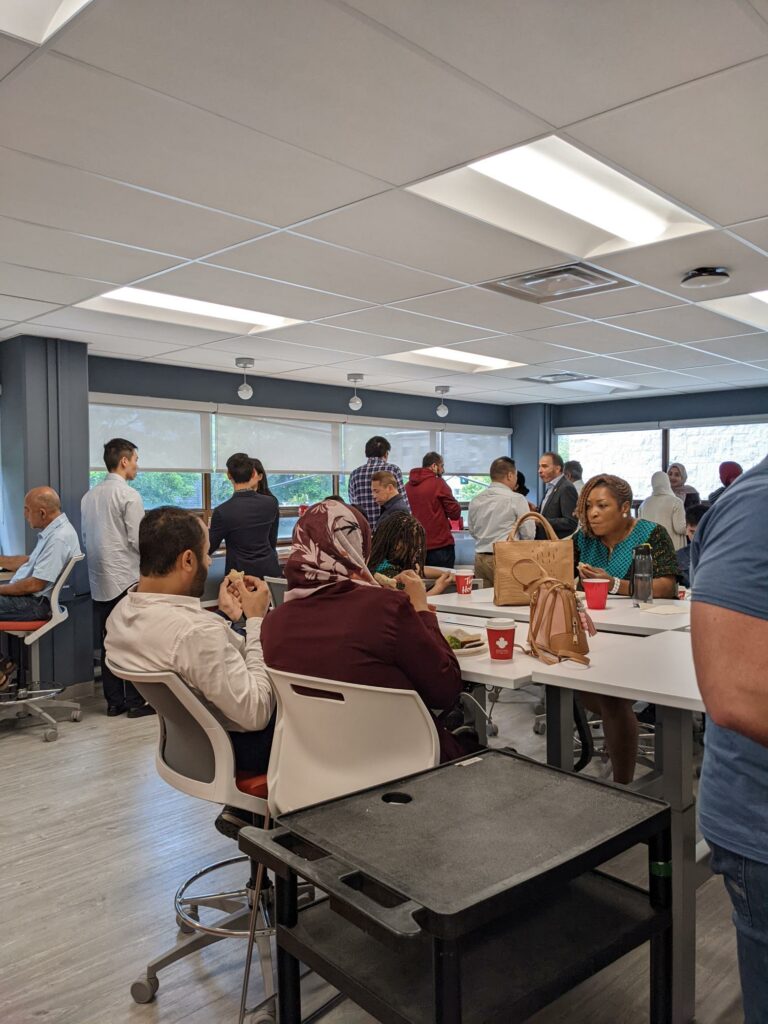
Internship Spotlight: Emily Hunter presents her work on multi-target tracking at the International Instrumentation and Measurement Technology Conference
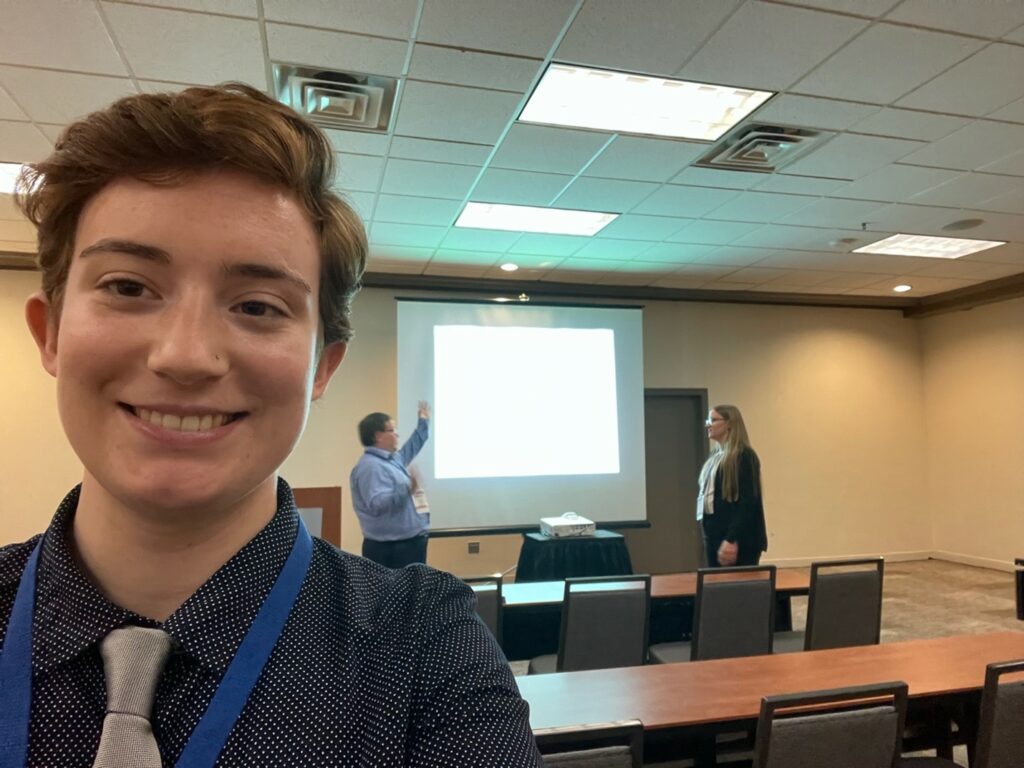
Queen’s School of Computing student Emily Hunter (COMA ’23) represented Queen’s University at the International Instrumentation and Measurement Technology Conference (I2MTC) in Ottawa which was held on May 16th-19th, 2022.
Emily was invited to present some of the work she has completed over the past year during her internship through the Queen’s Undergraduate Internship Program.
Emily’s internship is at Defence Research and Development Canada (DRDC), which is part of the Department of National Defence. One of the topics she has studied is multi-target tracking (MTT). MTT is a complex problem where there are an unknown number of moving objects and sensor data is used to track where they are going. The focus of her work involved investigating how radars can be used to track drones in the air.
At the I2MTC conference, Emily and her team presented a 3-hour tutorial on MTT in relation to instrumentation and measurement. The team working on this project included people from the University of Liverpool and the Defence Science and Technology Laboratory (DSTL) in the United Kingdom. Much of Emily’s work in MTT at DRDC has been related to using and maintaining Stone Soup, an open-source framework for MTT which was created by DSTL. The tutorial she presented gave the conference-goers an introduction to MTT and how to use Stone Soup. After discussing several MTT algorithms and how they can each be used, the team presented an example using the Stone Soup framework on simulated drone location data.
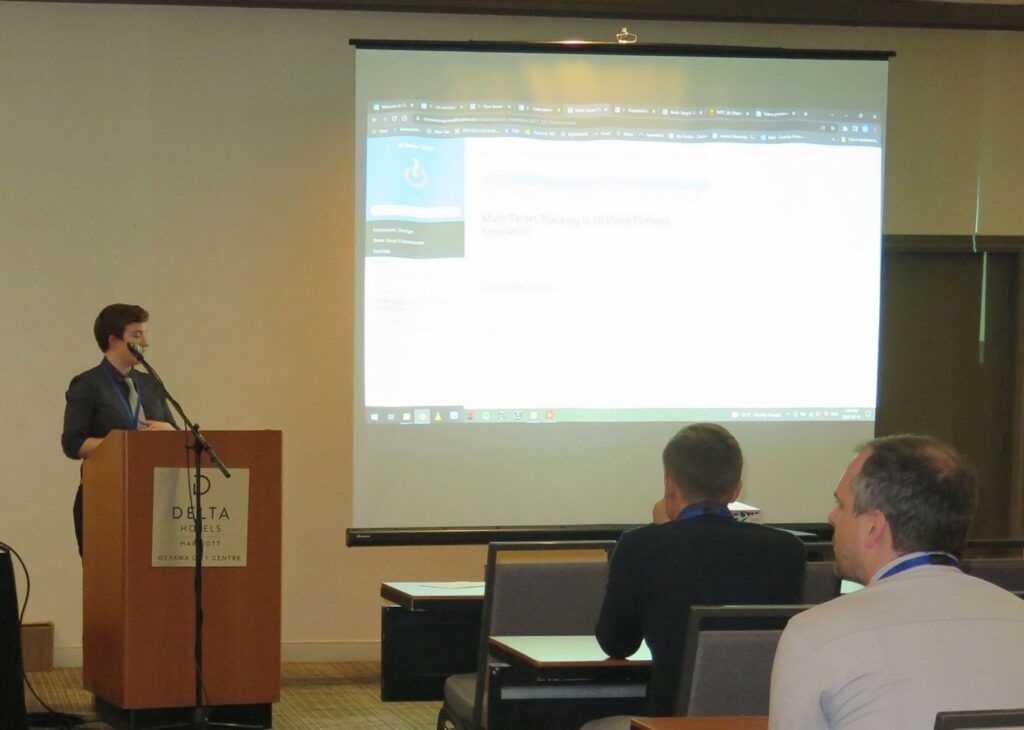
“Overall, it was a great experience for me to present some of my work at such a respected conference. Many of the other people attending the conference work on the sensor side of things – developing the sensors that provide the data used in MTT. It was very interesting to hear their perspectives and discuss how we can each adjust our work so that the process from data acquisition to analysis is as seamless as possible” says Emily.
On the final three days of the conference, Emily enjoyed attending workshops and paper presentations. She says:
“It was quite amazing to see the diversity of applications that people were studying even within the same field! I was especially interested in the ways in which researchers were combining machine learning with single target tracking, for example in recognizing shapes drawn in the air with your finger.”
Emily had an amazing time at the conference and was especially grateful for the support from Dr. Yuanzhu Chen who sponsored her attendance.
2022 Early Researcher Award is presented to Dr. Amber Simpson!
Congratulations to Dr. Amber Simpson for receiving an Early Researcher Award from the Ontario Ministry of Research, Innovation and Science! The Award was for her project “Machine learning analysis of 400,000 CT scans to map cancer progression“.
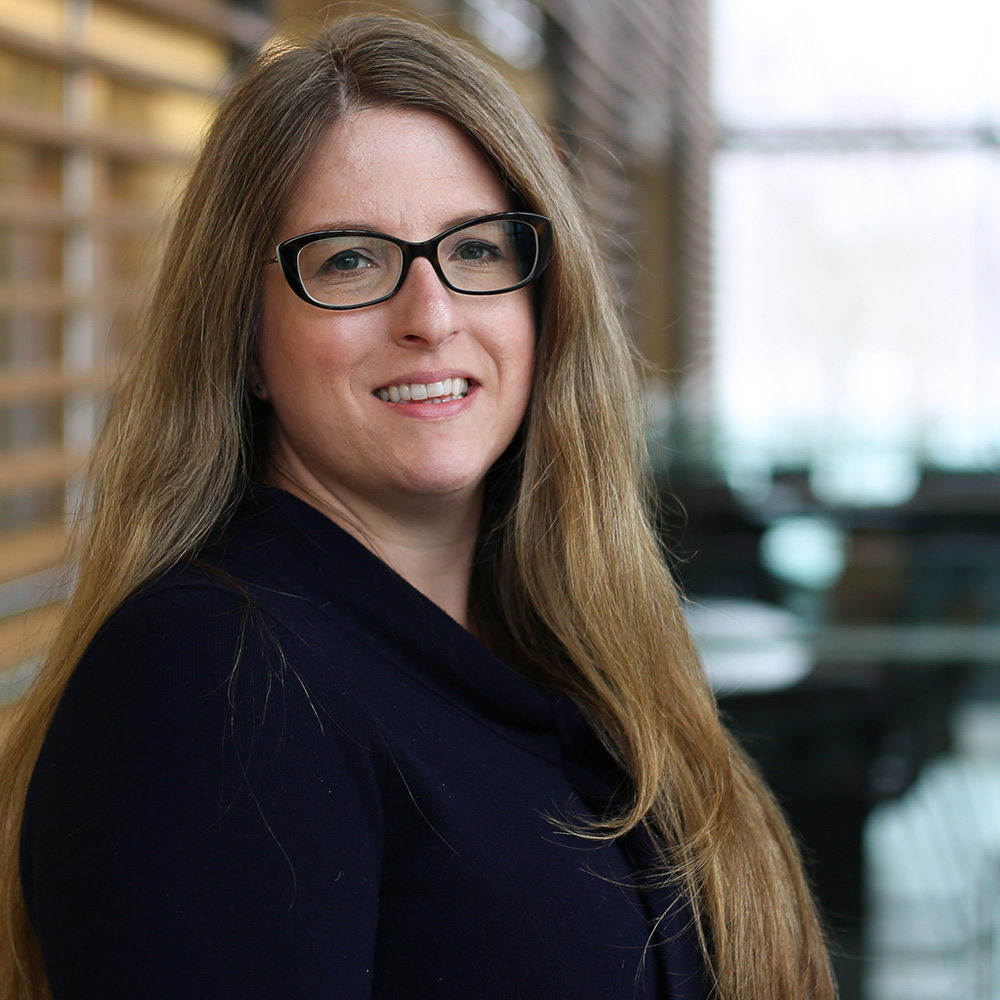
Dr. Simpson is the Canada Research Chair in Biomedical Computing and Informatics and Associate Professor in the School of Computing (Faculty of Arts and Science) and Department of Biomedical and Molecular Sciences (Faculty of Health Sciences).
Dr. Simpson specializes in biomedical data science and computer-aided surgery. Her research group is focused on developing novel computational strategies for improving human health.
The Early Researcher Awards is a highly competitive grant program that helps exceptional early career researchers build their research team. Applicants must demonstrate strategic value to Ontario (i.e., economic, social, cultural benefits, knowledge transfer, and/or ability to enhance Ontario’s profile in the global academic community).
Dr. Sara Nabil receives the 2022 CHCSS Early Career Researcher Award!
The CHCSS Early Career Research Awards Committee has selected Dr. Sara Nabil as the recipient of the award for 2022. Congratulations to Dr. Nabil, Assistant Professor at Queen’s School of Computing, and head of the iStudio Lab!
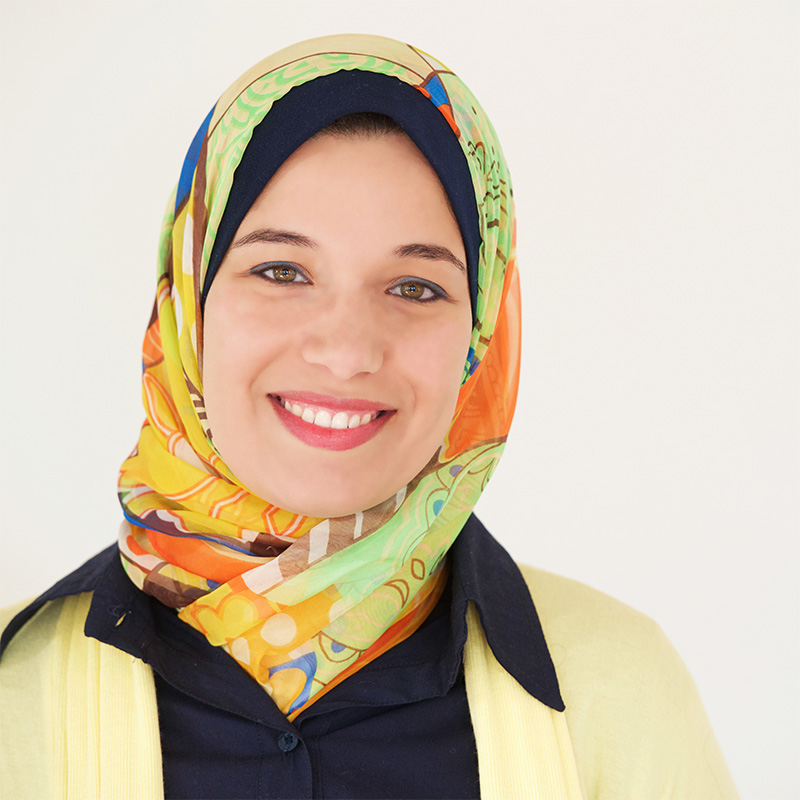
The Canada HCI Society Committee chose Dr. Nabil for her outstanding guidance concerning scholarly impact, research vision, social benefits and contributions towards equity, diversity and inclusion. Dr. Nabil has an impressive publication record with an exciting breadth of scholarly outputs published in top quality venues.
Her research integrates interaction design with interior, fashion, and product design using soft sensors, smart fabrics, microcontroller circuits, e-textiles and smart materials that are malleable, shape-changing, and colour-changing.
With a desire to support the living quality of marginalized groups such as refugees, people with dual-identities, and people with physical disabilities; Dr. Nabil has carried out in-the-wild fieldwork in public spaces, design studios, galleries, museums and refugee camps.
Dr. Nabil is encouraging the next generation of researchers through the establishment of a vibrant research lab, exciting collaborations with non-profits, and numerous outreach activities.
Queen’s High School Internship in Computing: Developing the Next Generation of Leaders in Technology
To teach children to love challenges, be intrigued by mistakes, and enjoy effort cultivates strong roots for lifelong confidence. Just as plants need nutrients to grow, citizens of tomorrow need to be nurtured into passionate visionaries.
Do you remember your teen years? Self-consciousness, streams of information, bombardment of questions and expectations, and confusing choices with little to no life experience or data to inform decisions. Life is not easier for today’s teenager, but as understanding adults we have the capacity to gently chaperon high school students into tomorrow. Do you remember a person or situation of significance that positively impacted your life?
Continue reading “Queen’s High School Internship in Computing: Developing the Next Generation of Leaders in Technology”The Mu Lab offers an exciting lab culture and a testbed for sequential planning research
What if the spread of Covid-19 could be modelled on large scale agent-based simulations?
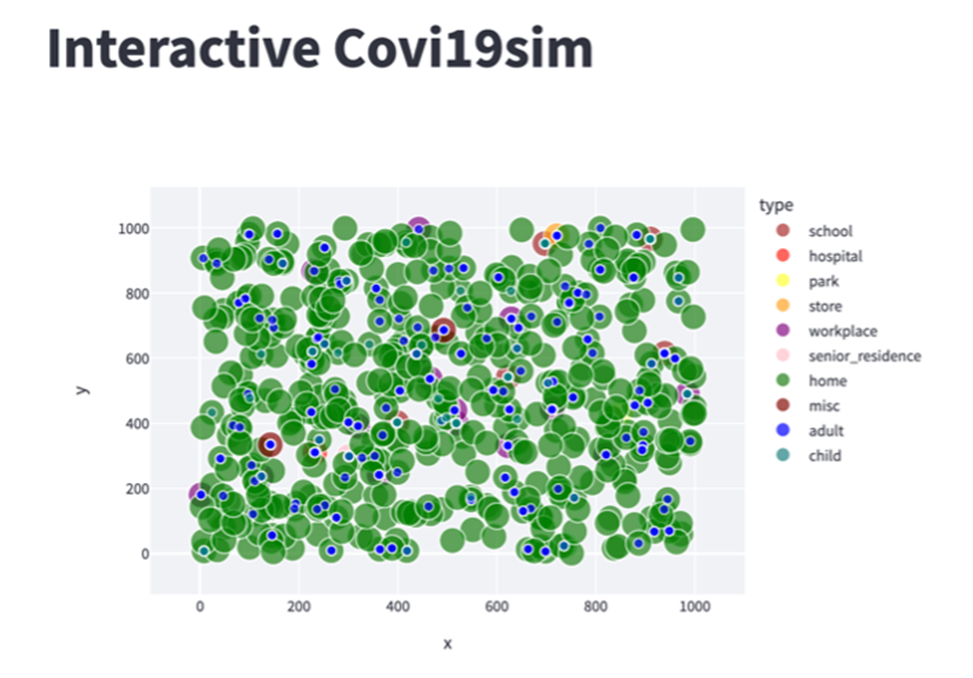
What if we could understand why machine learning methods detect the presence of a tumour on a medical image? Imagine a world where robotic agents who know your home environment can easily be at your disposal to perform everyday tasks, or a world where you can use interactive textiles to reduce anxiety or boost concentration.

Recipes could be understood and optimized using planning models and representations. Puzzles are a great past-time, and many people enjoy savouring the process, but what if you could receive guidance on which connections should be made with the help of an algorithm?
Continue reading “The Mu Lab offers an exciting lab culture and a testbed for sequential planning research”